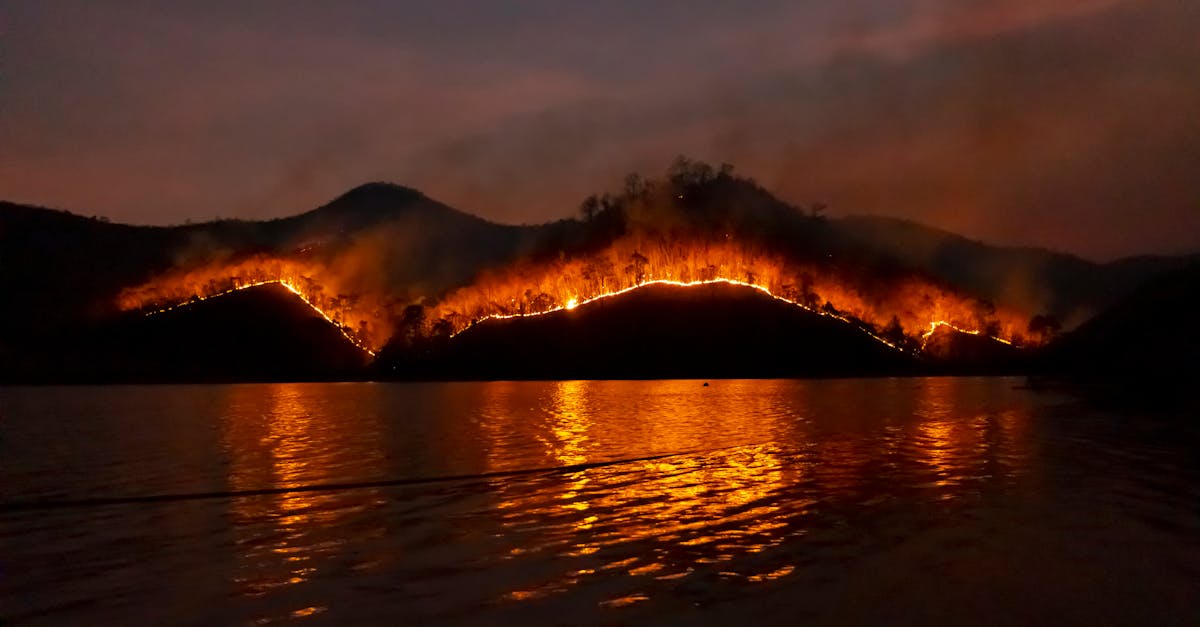
The Indonesian Forestry Department has taken proactive measures to combat the threat of forest fires in Kalimantan, where rising temperatures are anticipated during the dry season. The department has confirmed that it will conduct intensive monitoring operations in the most fire-prone areas to safeguard the environment and natural resources.
Reports indicate that forest fires pose a significant threat to the environment in Indonesia, leading to the destruction of natural habitats and air pollution. Studies have shown that these fires adversely affect the health of local populations, in addition to their impact on the global climate.
Details of the Initiative
The Forestry Department in Kalimantan is striving to enhance its efforts by intensifying patrols in at-risk areas. This includes the use of drones to monitor vast, hard-to-reach regions. Specialized teams have also been trained to respond to fires swiftly and effectively.
In recent years, Indonesia has witnessed a notable increase in the number of forest fires, prompting the government to implement stringent measures to combat this phenomenon. Forest fires in Indonesia are among the largest sources of carbon emissions globally, affecting international efforts to tackle climate change.
Background & Context
Historically, forest fires in Indonesia have been linked to unsustainable agricultural practices, where farmers burn land to create new areas for cultivation. These practices have led to environmental degradation and the destruction of natural habitats, exacerbating the problem.
In 2015, Indonesia experienced one of the worst forest fire outbreaks, resulting in air pollution in neighboring countries such as Malaysia and Singapore. This sparked widespread international reactions, prompting the Indonesian government to take stricter steps to combat this issue.
Impact & Consequences
Forest fires in Indonesia are a significant environmental issue affecting human health and climate. The pollution caused by smoke from these fires can lead to serious health problems, including respiratory diseases.
Moreover, forest fires impact biodiversity, destroying natural habitats for many animal and plant species. This poses a threat to ecosystems and leads to a loss of biodiversity, which is essential for the sustainability of life on Earth.
Regional Significance
Although forest fires in Indonesia may seem distant from the Arab region, their effects extend worldwide. Climate changes resulting from carbon emissions impact all countries, including Arab nations facing similar environmental challenges.
International cooperation in addressing forest fires and climate change is crucial, as Arab countries can benefit from Indonesia's experiences in developing effective strategies to combat forest fires and protect the environment.