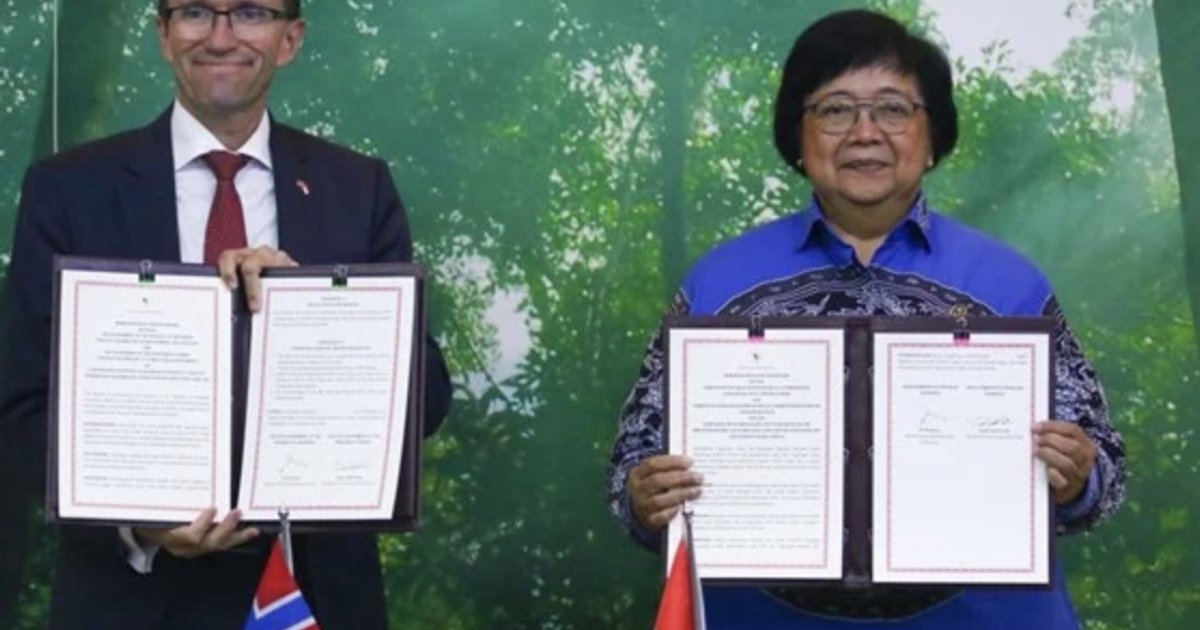
A bilateral meeting took place between Indonesian Forestry Minister Riza Joli Anthony and Japanese Minister of Agriculture, Forestry and Fisheries Suzuki Norikazu in Jakarta, addressing vital topics related to tropical forest management, including the importance of sustainable mangrove management and carbon investments. This meeting is part of efforts to strengthen the bilateral relations between Indonesia and Japan, which have a long history of fruitful cooperation in various fields.
During the meeting, the Indonesian minister expressed appreciation for the existing relations between the two countries, highlighting the significance of projects implemented by the Japan International Cooperation Agency (JICA) in the forestry sector. He emphasized that these projects represent a strong foundation for enhancing sustainable forest management and addressing challenges arising from global climate change.
Details of the Meeting
Riza Joli Anthony pointed out the importance of cooperation with the Japanese Ministry of Agriculture, Forestry and Fisheries to improve the quality of the implemented projects, as part of enhancing the Global Mangrove Center initiative. He explained that this initiative aims to serve as a global bridge in efforts for the rehabilitation, research, education, and innovation of environmental mangrove management systems, in addition to being an international reference for nature-based climate mitigation and adaptation.
The Indonesian minister also called for increased participation of the Japanese private sector in investing in the carbon economy in Indonesia, particularly through reforestation and afforestation activities, including in protected areas such as national parks. This comes in light of the opportunities available for implementing a voluntary carbon market following the issuance of Presidential Decree No. 110 of 2025 regarding the regulation of the economic value of carbon.
Background & Context
Indonesia is considered one of the countries rich in natural resources, featuring vast areas of tropical forests and mangroves that play a vital role in preserving biodiversity and combating climate change. For decades, Indonesia has sought to enhance its international partnerships, especially with Japan, which is a strategic partner in many environmental and developmental projects.
Historically, the relations between Indonesia and Japan have witnessed significant development, with numerous joint projects implemented in agriculture, industry, and infrastructure. The Japan International Cooperation Agency (JICA) is one of the key entities that has contributed to supporting these projects, reflecting Japan's commitment to supporting sustainable development in Indonesia.
Impact & Consequences
This meeting underscores the importance of international cooperation in addressing environmental challenges, as both countries seek to enhance effective strategies for managing forests and natural resources. These initiatives are expected to improve the quality of life in affected areas and boost the local economy by creating new job opportunities.
Moreover, enhancing carbon investments will help Indonesia achieve its goals related to reducing greenhouse gas emissions, contributing to global efforts to combat climate change. This cooperation also reflects Japan's commitment to supporting developing countries in achieving sustainable development goals.
Regional Significance
The strengthening of cooperation between Indonesia and Japan in the fields of environment and sustainable development can serve as a model for Arab countries, which face similar challenges in managing their natural resources. Arab nations can benefit from Indonesian experiences in forest and mangrove management, especially in light of the climatic changes affecting the region.
In conclusion, this meeting represents an important step towards enhancing international cooperation in the fields of environment and sustainable development, reflecting the significance of strategic partnerships in addressing global challenges.