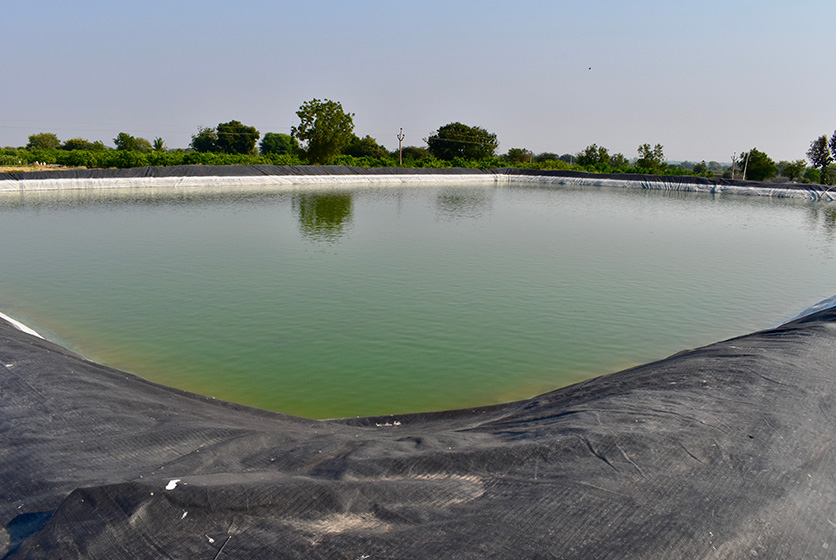
The Indonesian Ministry of Agriculture has announced the activation of 80,158 water pumps distributed to farmers across the country to tackle potential challenges arising from the El Niño phenomenon, which may lead to severe drought starting in April 2026. This initiative aims to ensure water availability and support national agricultural production amidst changing climatic conditions.
In a statement, Andi Nur Alam Shah, the Director General of Agricultural Infrastructure at the ministry, confirmed that the government began distributing these pumps in 2023 as part of a comprehensive strategy to address the impacts of drought. He noted that these pumps are considered strategic assets that must be optimally utilized to confront climate challenges.
Details of the Initiative
This step is part of the government's efforts to enhance preparedness for drought, emphasizing the importance of rapid intervention and improving agricultural infrastructure. Andi Nur Alam Shah pointed out that the previous experience with the El Niño phenomenon in 2023 contributed to the formulation of new strategies for dealing with climate crises.
He explained that the government faced significant drought threats in 2023 but managed to maintain agricultural production levels through swift actions such as improving irrigation systems and utilizing pumps. He emphasized that these experiences highlight the importance of technical and practical preparedness in the field.
Background & Context
The El Niño phenomenon is a climatic event resulting from changes in Pacific Ocean temperatures, leading to significant impacts on global weather patterns. Indonesia has experienced negative effects from this phenomenon in recent years, affecting agricultural production and raising concerns about food shortages.
In 2023, Indonesia faced substantial challenges due to drought, prompting the government to take swift actions to preserve agricultural output. These experiences have contributed to the development of new strategies for addressing climate challenges, reflecting the importance of early preparedness and effective planning.
Impact & Consequences
This initiative by the Indonesian government is crucial as it reflects its commitment to maintaining food security amidst changing climatic conditions. By improving water resource management, farmers can enhance their agricultural production and reduce reliance on food imports.
Additionally, this initiative fosters collaboration between the government and farmers, encouraging them to take proactive steps such as identifying water sources and improving water management on farms. This underscores the importance of collective action in addressing climate challenges.
Regional Significance
Many Arab countries also face similar challenges due to climate change, where drought and water scarcity impact agricultural production. Indonesia's experience in improving water management and utilizing agricultural technology could be beneficial for Arab nations facing similar issues.
Enhancing regional cooperation and exchanging knowledge and experiences in agriculture and water resource management can contribute to improving food security in the Arab region, reflecting the importance of collective efforts to tackle climate challenges.