Hydrometeorological disasters are among the most significant challenges facing Indonesia, with the Pidie Jaya district in Aceh experiencing widespread devastation as a result. More than 13,303 housing units have been affected, necessitating immediate government intervention for reconstruction and support for those impacted.
The Indonesian government is working to provide temporary shelter for the victims, alongside financial support and humanitarian aid. This effort is part of a comprehensive plan aimed at rebuilding damaged homes and infrastructure.
Details of the Disaster
Heavy rainfall and flooding have led to the destruction of numerous homes and public facilities in the area, resulting in the displacement of a large number of residents. Images circulating on social media have illustrated the extent of the disaster, with streets submerged and some buildings collapsed.
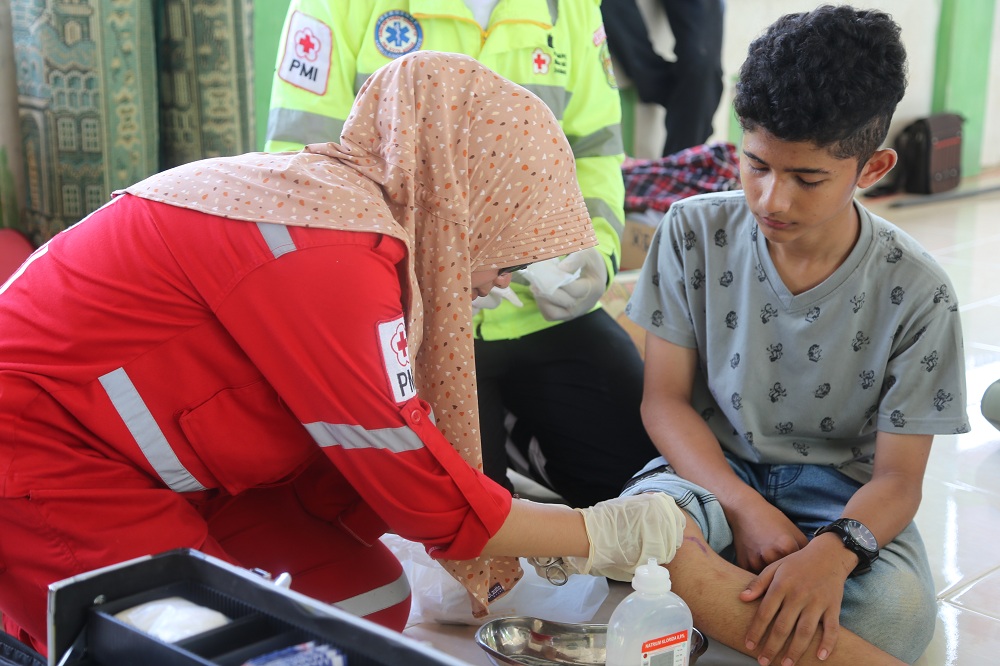
Local authorities, in collaboration with relief organizations, are assessing the damage and identifying the urgent needs of the affected population. Field teams have also been established to provide psychological and social support to those impacted, particularly children and women.
Background & Context
Historically, Indonesia has faced numerous natural disasters, including earthquakes and floods, making it one of the most disaster-prone countries. This has led to the development of national strategies for disaster management, including improvements in early warning systems and training for relief teams.
Aceh province is one of the most affected areas by disasters, having experienced a devastating earthquake in 2004 that resulted in a tsunami claiming thousands of lives. Therefore, the lessons learned from past disasters play a crucial role in how the current government responds to new challenges.
Impact & Consequences
Hydrometeorological disasters have a significant impact on the local economy, leading to property destruction and loss of income sources. Additionally, reconstruction requires substantial investments, which may affect the national budget.
Moreover, natural disasters impact the mental health of the population, with many suffering from anxiety and depression due to the loss of their homes and loved ones. Thus, psychological and social support is an essential part of relief efforts.
Regional Significance
The events in Aceh highlight the importance of preparedness and international cooperation in facing natural disasters. As the region continues to grapple with the aftermath of these calamities, the need for robust disaster response frameworks becomes increasingly evident.
In conclusion, the ongoing reconstruction efforts in Aceh serve as a reminder of the resilience of communities in the face of adversity and the critical role of government and humanitarian organizations in providing support.