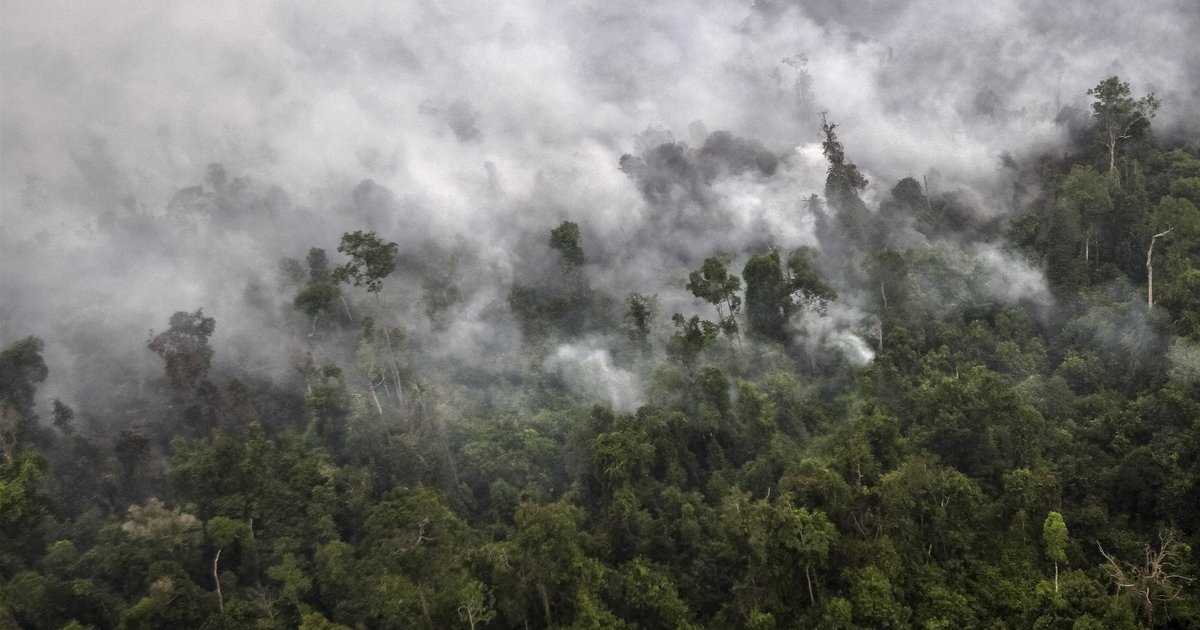
The Indonesian Ministry of Forestry, led by Minister Raja Juli Antoni, has announced the commencement of weather modification operations as part of its efforts to reduce forest and land fires (karhutla) during the dry season. These operations aim to rehydrate lands, particularly peatlands, which are suffering from low groundwater levels.
The minister emphasized that the weather modification operations will not be limited to emergency interventions during fires but will also include preventive measures aimed at enhancing water levels in peatlands. He explained that these operations will rely on scientific data provided by the National Meteorology, Climatology and Geophysics Agency (BMKG).
Event Details
BMKG forecasts that the dry season in Indonesia will begin in April or May, peak in August, and end in September or early October. Tiko Faisal Fathani, head of BMKG, noted that the agency is closely monitoring weather forecasts to determine the appropriate time to implement weather modification operations.
The rehydration operations involve using weather modification techniques aimed at increasing rainfall by cloud seeding with specific materials, which helps to hydrate peatlands and reduces the likelihood of forest fires.
Background & Context
Forest fires in Indonesia are a serious environmental issue, leading to environmental degradation and air pollution. Historically, the country has experienced several dry seasons that resulted in widespread fires, negatively impacting public health and the economy. In recent years, the Indonesian government has taken multiple steps to address this phenomenon, including improving forest management and raising environmental awareness.
Peatlands, which cover vast areas of Indonesia, are among the most fire-prone regions due to their high carbon content. Therefore, rehydrating these lands is a vital step in preserving the environment and reducing carbon emissions.
Impact & Consequences
These initiatives highlight the importance of cooperation among various government entities, including the Ministry of Forestry, BMKG, the National Police, and the National Disaster Management Agency. By working together, these agencies can improve the country's response to fires and mitigate environmental damage.
Moreover, the success of weather modification operations could open new avenues in natural disaster management, enhancing Indonesia's capacity to face future climate challenges. These steps reflect the Indonesian government's commitment to environmental protection and sustainable development.
Regional Significance
Forest fires are a global issue affecting all countries, including Arab nations facing similar environmental challenges. Arab countries could benefit from Indonesia's experiences in managing forest fires, especially in light of climate changes impacting the region.
Regional cooperation in combating forest fires and exchanging knowledge and expertise can contribute to enhancing efforts to protect the environment in the Arab world.