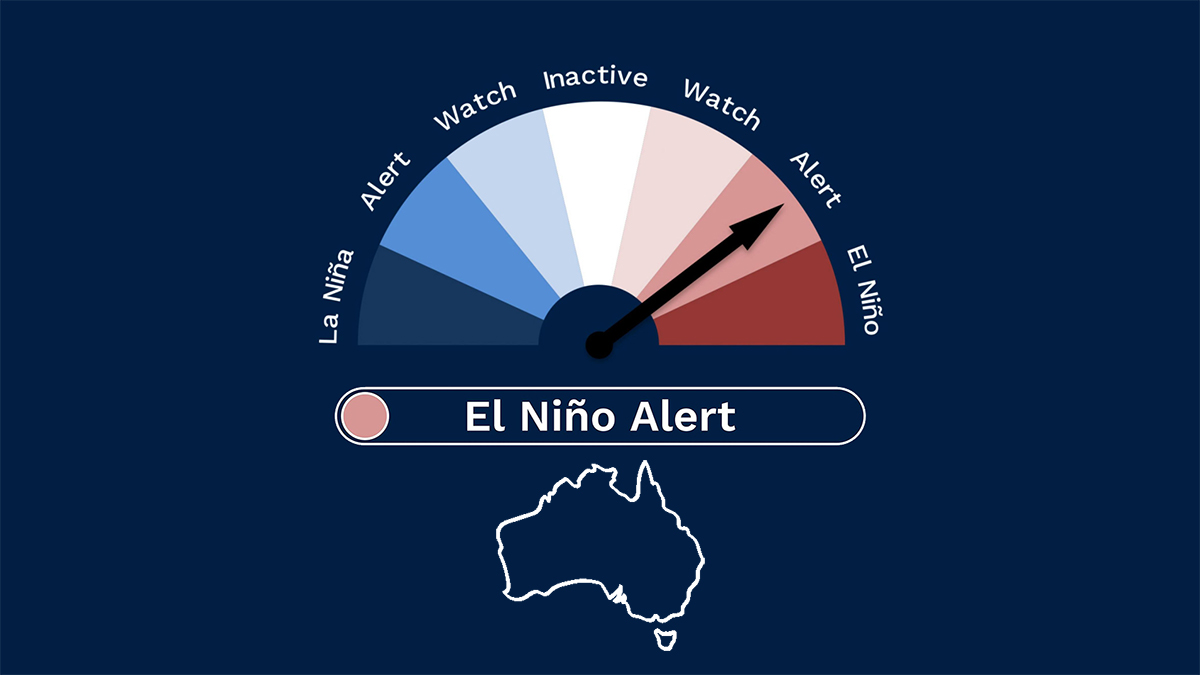
The Indonesian Meteorology, Climatology, and Geophysics Agency (BMKG) has announced its predictions regarding the return of a strong El Niño in Indonesia, indicating the possibility of extended drought periods in most regions of the country. This climatic phenomenon, known for its significant effects on weather patterns, requires all stakeholders to take measures to adapt to the changing climatic conditions.
These predictions serve as a warning to everyone, as local communities and government authorities must work to mitigate the potential impacts of drought on citizens' lives. At the same time, studies indicate that the effects of El Niño may vary in other parts of the world, where it can lead to heavy rains and flooding.
Event Details
Historically, strong El Niño events are not unfamiliar to Indonesia, as the country has experienced similar occurrences in 1997-1998 and 2015-2016. During those periods, the phenomenon caused widespread drought, leading to severe freshwater shortages and threats to food security. Some researchers have referred to this year's anticipated El Niño as "Godzilla," highlighting the severity of its potential impacts.
These conditions necessitate specific preparations, especially in the forestry and agriculture sectors, as drought-prone wetland areas become more susceptible to ignition. This could lead to extensive forest fires, posing a threat not only to local populations but also to neighboring countries such as Singapore and Malaysia.
Background & Context
El Niño is part of the global climate cycle, affecting temperatures and rainfall patterns worldwide. In Indonesia, this phenomenon causes significant climatic changes, impacting agriculture and water resources. In recent years, the effects of El Niño have been evident, resulting in food crises and water shortages in many areas.
It is noteworthy that Indonesia is not the only country facing this phenomenon, as El Niño affects many nations in the Pacific region, causing climatic fluctuations that impact the global economy.
Impact & Consequences
Forecasts suggest that the strong El Niño could exacerbate water and agricultural crises in Indonesia, threatening food security and increasing the suffering of the population. Agricultural production is expected to be significantly affected, potentially leading to rising food prices and increased economic pressures on families.
Environmental impacts could also be severe, as drought-induced forest fires may degrade air quality and increase carbon emissions, contributing to the worsening of the global climate crisis.
Regional Significance
Although the effects of El Niño are primarily concentrated in Indonesia and its surrounding areas, its repercussions may extend to the Arab region through global climate impacts. Climate changes resulting from El Niño could lead to fluctuations in weather patterns in Arab countries, potentially affecting agriculture and food security in the region.
In conclusion, the current situation in Indonesia requires urgent attention from all stakeholders, as effective strategies must be in place to adapt to changing climatic conditions and mitigate the potential impacts of drought.