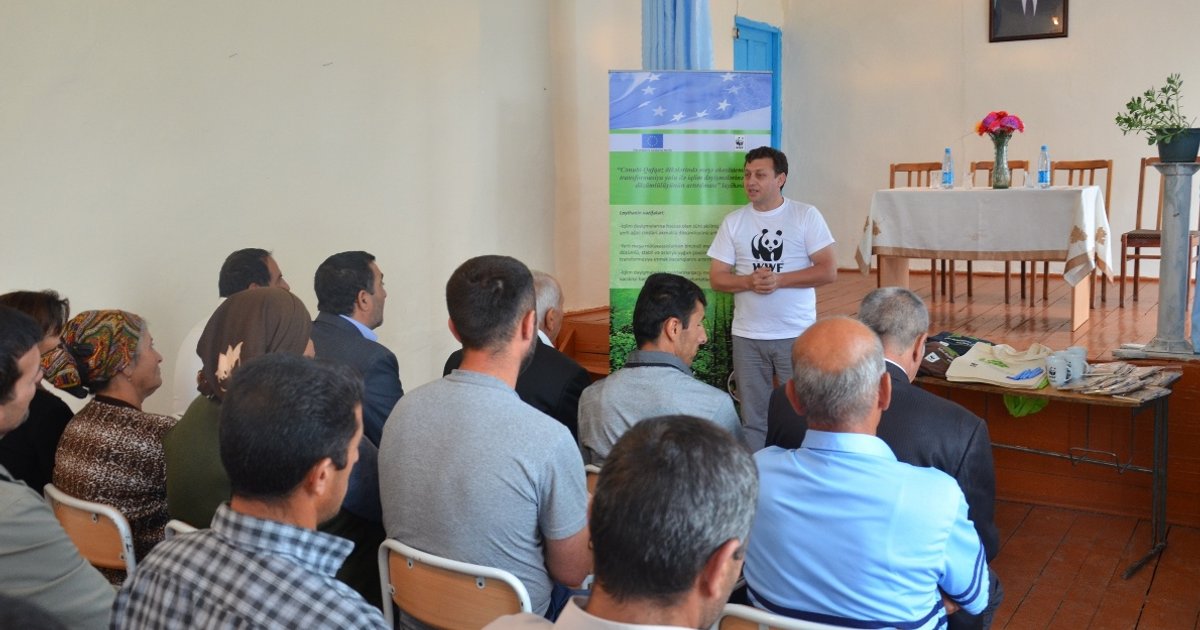
In efforts to enhance forest protection and achieve national environmental sustainability goals, the World Wildlife Fund (WWF) in Indonesia has urged for a radical transformation in the forest financing system. This proposal was made during a discussion titled "Bridging the Forest Financing Gap in Indonesia" held in Jakarta, where Resad Tri Setia Putra, the Sustainable Finance Director at WWF Indonesia, pointed out that the funding gap in this sector amounts to around $5 billion annually.
Resad emphasized that the funding allocated for forest destruction far exceeds the funds designated for conservation, making it increasingly difficult to achieve national environmental objectives. He stressed the importance of changing investment policies to be more supportive of sustainability in forest management.
Details of the Proposal
A joint study conducted by WWF and the Conservation Strategy Fund (CSF) revealed that positive financial flows to the forestry sector are approximately $244 million annually, while negative flows reach $3.4 billion, most of which comes from the private sector. Desa Pratama, the CSF Director in Indonesia, noted that this gap reflects the urgent need to change investment policies to support environmentally friendly activities and reduce pressure on forests.
Desa also called for a necessary shift in investments towards sustainable activities, ensuring that funding supports forest protection and the long-term sustainability of ecosystems.
Background & Context
Indonesia is one of the countries rich in natural resources, containing vast areas of forests that play a vital role in preserving biodiversity. However, the country faces significant challenges related to deforestation due to agricultural activities and urban expansion. Historically, Indonesia has experienced substantial forest loss, negatively impacting both local and global environments.
The Indonesian government aims to achieve sustainable development goals, but the current funding gap represents a major obstacle. Significant investments in the forestry sector are required to ensure its sustainability and protect it from increasing threats.
Impact & Consequences
If the funding gap is not addressed, Indonesia may face greater difficulties in achieving its environmental goals. A transformation in the financing system could enhance sustainability and reduce negative impacts on forests. Additionally, improving transparency and managing environmental risks within the national financial system is a necessary step to achieve this goal.
These changes are expected to contribute to improving the environmental situation in Indonesia, benefiting local communities and the national economy.
Regional Significance
The implications of this proposal extend beyond Indonesia, as the country plays a crucial role in global biodiversity and climate stability. By addressing the funding gap, Indonesia can set an example for other nations facing similar challenges, showcasing the importance of sustainable financing in environmental conservation.
In conclusion, the call for a radical shift in forest financing is not just a local issue; it is a critical step towards ensuring a sustainable future for Indonesia and the planet.