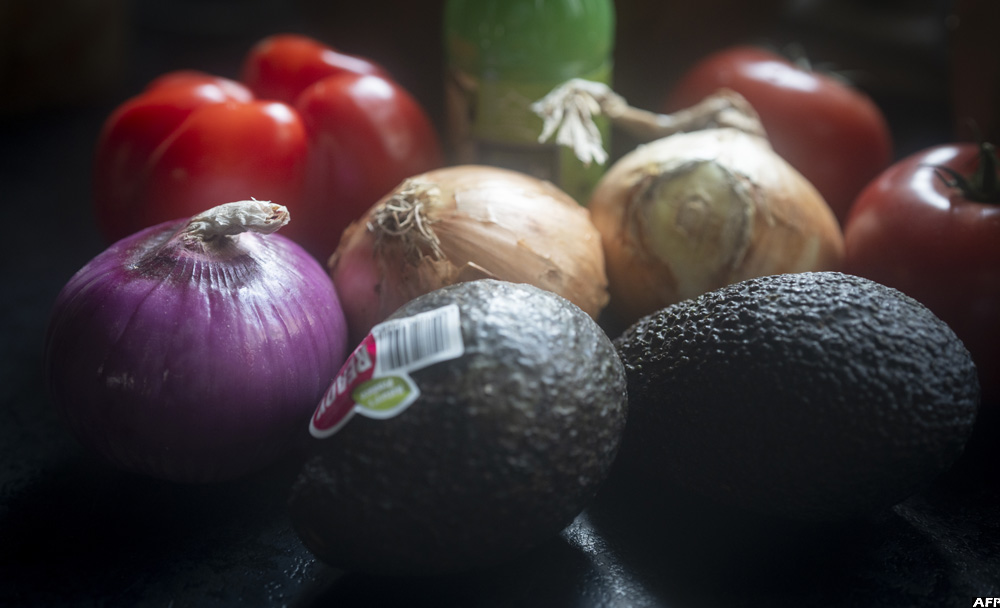
In a proactive step to address climate challenges, the Indonesian government has confirmed its commitment to strengthening local food reserves to mitigate the effects of El Niño, which is expected to lead to drought in certain regions. I Gusti Ketut Astawa, the Deputy Head of the National Food Agency, stated that the government is prepared to confront this phenomenon by enhancing the government's stock of food supplies.
Ketut noted that the government is working to increase food reserves, emphasizing that the current government stock of food is stronger compared to previous years. He explained that these measures are based on directives from Andi Amran Sulaiman, the Minister of Agriculture and Head of the National Food Agency, who highlighted the importance of early preparedness in facing the impacts of El Niño.
Details of the Situation
The Indonesian Meteorology Agency predicts that the effects of El Niño will begin in May, particularly affecting the southern regions of the equator, including Lampung, Java Island, Bali, West Nusa Tenggara, and East Nusa Tenggara. In this context, Ketut affirmed that bolstering food stocks is a crucial step to counter any potential shortfall in agricultural production during the dry season.
He also clarified that the government is working to enhance food production levels by intensifying grain purchases from local farmers. The Bulog agency, responsible for managing food stocks, has been tasked with increasing grain absorption and converting it into rice.
Background & Context
El Niño is one of the climatic phenomena that significantly affects weather patterns worldwide, including in Indonesia. Historically, the country has experienced negative impacts from this phenomenon, leading to crop shortages and rising food prices. Consequently, the current government preparations aim to reduce the risks associated with this phenomenon.
It is noteworthy that Indonesia heavily relies on agriculture as a primary source of food and economic stability, making it vulnerable to the effects of climate change. Therefore, strengthening food reserves is a strategic step to ensure food security in the country.
Impact & Consequences
The Indonesian government anticipates that these measures will help mitigate the effects of El Niño on food security, ensuring the availability of essential food supplies during drought periods. Additionally, bolstering food reserves can help stabilize prices, contributing to maintaining citizens' living standards.
Furthermore, these preparations reflect the government's commitment to enhancing food security, which is vital amid increasing climate challenges. These steps are expected to bolster public confidence in the government's ability to manage food crises.
Regional Significance
The El Niño phenomenon and climate change, in general, are issues of concern for all countries, including those in the Arab region. As climate changes intensify, Arab nations may face similar challenges in food production. Therefore, learning from Indonesia's experiences in strengthening food security could be beneficial for Arab countries in developing effective strategies to confront climate challenges.
In conclusion, the measures taken by Indonesia to address the El Niño phenomenon underscore the importance of early preparedness and strategic planning to ensure food security, a lesson that many countries in the region could benefit from.