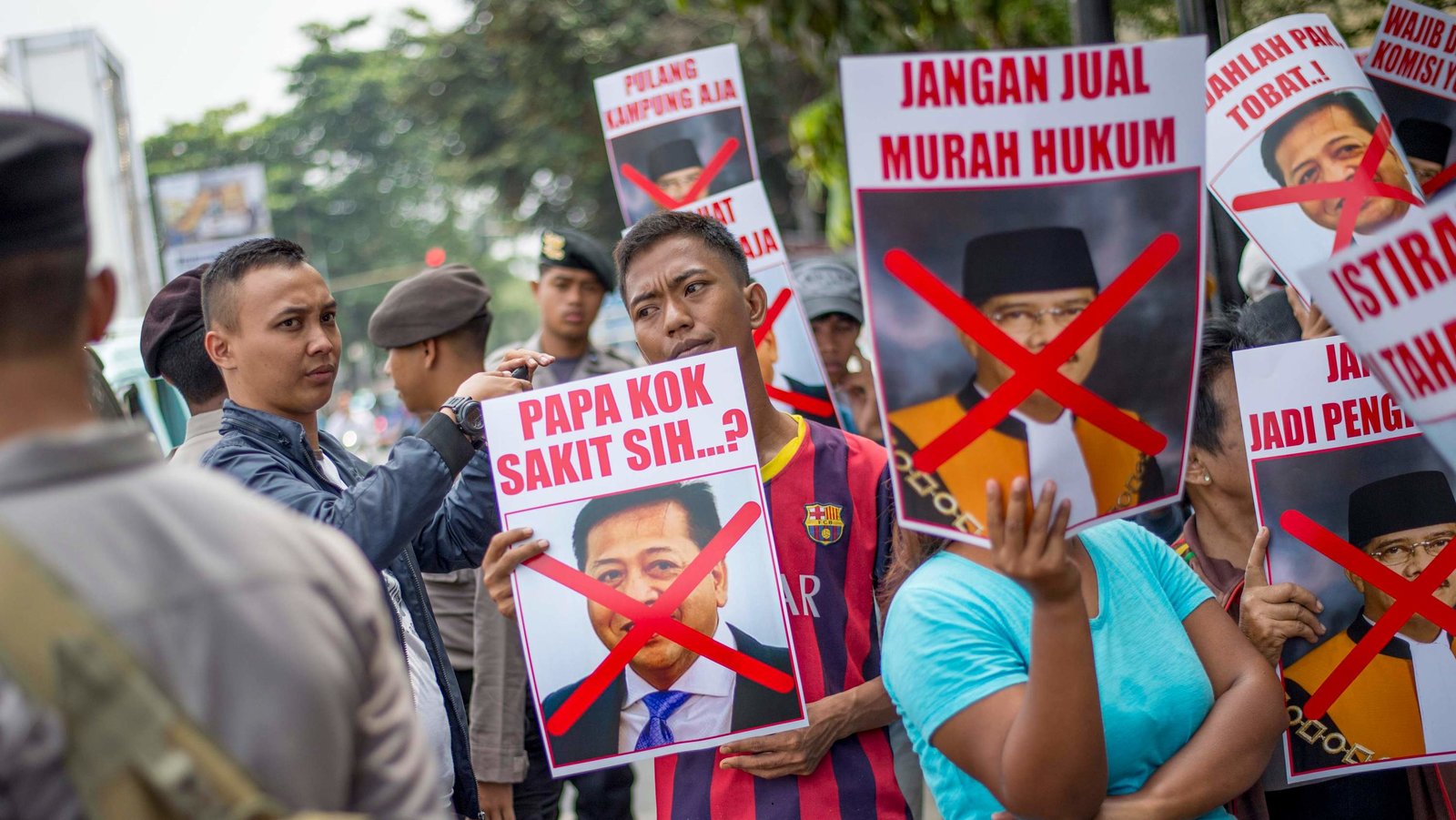
The Indonesian Anti-Corruption Commission (KPK) has summoned three employees from the Depok Court as witnesses in a corruption case related to bribery of judges. The summoned individuals include SE as a court clerk, and KIR and TW as court staff, as part of ongoing investigations concerning a land dispute involving an area of 6,500 square meters in the TabuS region of West Java.
This move comes after the commission confirmed that investigations would be conducted at the KPK building in the capital Jakarta. The commission's spokesperson, Budi Prastio, stated that the summoning of these witnesses is part of the investigations into the corruption surrounding the management of land dispute cases.
Details of the Incident
On February 5, 2026, the Anti-Corruption Commission conducted a surprise operation targeting judges in the city of Depok, resulting in the arrest of seven individuals, including the chief judge and his deputy. They have been charged with corruption in managing land dispute cases, raising widespread controversy regarding the integrity of the judicial system in the country.
On February 6, 2026, the commission announced the arrest of five of these individuals as defendants in the corruption case, including chief judge I Wayan Eka Mariarta and his deputy Bambang Setiawan, along with another court employee and a director from a company affiliated with the Ministry of Finance.
Background & Context
Corruption cases in Indonesia are complex issues that affect citizens' trust in state institutions. In recent years, the country has witnessed numerous scandals related to corruption, prompting the government to take stringent measures to combat this phenomenon. The Anti-Corruption Commission was established in 2002 as part of the government's efforts to improve transparency and integrity in public institutions.
These events come at a sensitive time, as Indonesian society seeks to enhance the values of justice and equality within the judicial system. Polls have shown that corruption is one of the biggest concerns facing citizens, necessitating serious steps to address this issue.
Impact & Consequences
This case raises questions about the extent of corruption's impact on the judicial system in Indonesia, as it could lead to a loss of trust in justice. The arrest of judges may open the door for further investigations into other potential corruption cases within the judicial system.
These events are expected to increase pressure on the government to strengthen judicial reforms and enforce laws more effectively. There are also growing calls from civil society for greater transparency and accountability across all state institutions.
Regional Significance
Corruption is an issue that concerns all countries, including Arab nations. Corruption affects economic and social development and hinders governments' efforts to achieve stability. Indonesia's experience in combating corruption could serve as an important lesson for Arab countries facing similar challenges.
In conclusion, the corruption issue in Indonesia highlights the importance of transparency and accountability in all state institutions. Strengthening democratic values and combating corruption should be at the core of development efforts in any country.