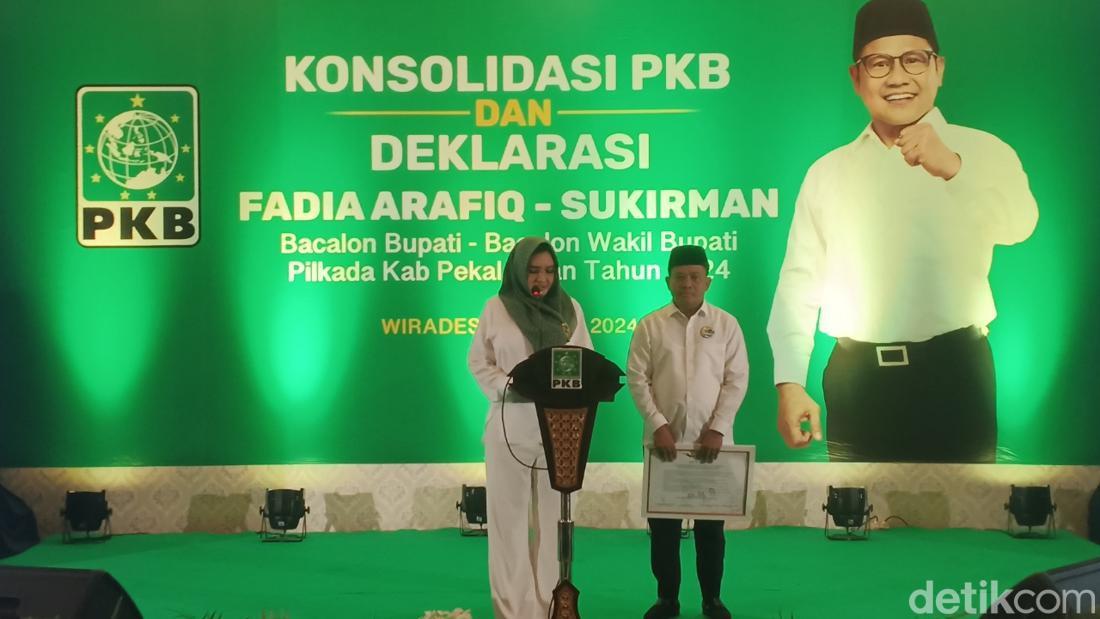
The Indonesian Anti-Corruption Commission has summoned seven government officials from the Bekalongan district as witnesses in the ongoing investigations into a corruption case involving former mayor Fadia Arfiq. The summons took place at the local police station, where the officials were questioned about their roles in a case that has sparked widespread controversy across the country.
On March 3, 2026, the commission arrested Fadia Arfiq along with his aides in Semarang, where 11 other individuals were also apprehended in a corruption crackdown. Following his arrest, Fadia Arfiq was charged and identified as a suspect in a corruption case involving external service contracts within the local government.
Details of the Investigation
According to the spokesperson for the Anti-Corruption Commission, Budi Prastio, the questioning included officials with names such as SW, MAG, WK, AP, KHD, EH, and EB. The investigations were conducted at the police station in Bekalongan, where these officials are believed to possess vital information regarding the case.
The allegations against Fadia Arfiq involve conflicts of interest, as it is claimed that his family company, PT Raja Nusantara Berjaya, secured government contracts worth up to 19 billion Indonesian Rupiah. A portion of these funds is alleged to have been allocated for personal purposes, raising questions about the integrity of government operations in the region.
Background & Context
Corruption cases in Indonesia are a complex issue that affects public trust in the government. Over the years, the country has witnessed numerous scandals leading to arrests and legal actions against government officials. The Indonesian Anti-Corruption Commission is one of the active bodies in this field, striving to combat corruption and promote transparency in government administration.
Historically, Indonesia has struggled with high levels of corruption, negatively impacting economic and social development. These issues have led to ongoing calls for legal and administrative reforms to enhance integrity in the public sector.
Impact & Consequences
This case exemplifies the challenges Indonesia faces in its fight against corruption. If the charges are proven, they could have serious repercussions on the reputation of the local government, in addition to affecting public trust in governmental institutions. Furthermore, this case may open the door for further investigations into other potential corruption cases.
The Indonesian government is seeking to enhance transparency and accountability, but this case may hinder its efforts and affect relationships with local and international investors. Corruption can have detrimental effects on economic development, making it essential to take stringent actions against this phenomenon.
Regional Significance
This case highlights the ongoing challenges Indonesia faces in combating corruption and enhancing transparency. The implications of this investigation extend beyond the local government, potentially influencing national policies and international perceptions of Indonesia's governance.
As the investigation unfolds, it remains crucial for the Indonesian government to address these issues effectively to restore public confidence and ensure sustainable development.