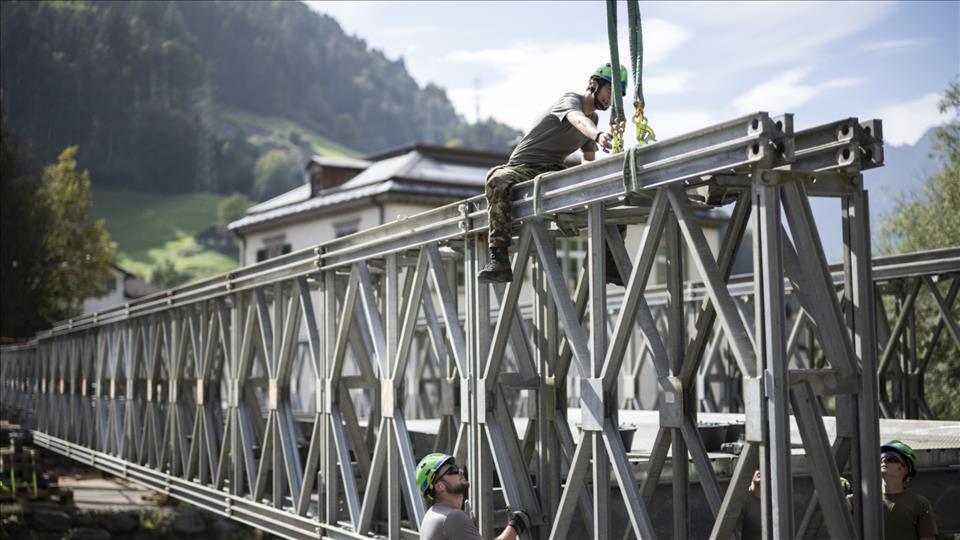
In a move that reflects the spirit of collaboration between military institutions and local communities, the Indonesian Army (TNI AD) announced the commencement of an emergency bridge construction connecting Sukajadi and Lut Kutchak villages in the Wih Pesam area of Bener Meriah, Aceh. This announcement was made on Monday, April 6, 2026, as a swift response to the damage caused to the previous bridge by floods that swept through the region at the end of 2025.
According to an official statement from the Indonesian Army, the construction of the emergency bridge aims to restore economic activity and facilitate the movement of citizens, as the previous bridge was a lifeline for many daily activities such as the distribution of agricultural products and access to educational institutions.
Event Details
Brigadier General Doni Pramono, head of the media department of the Indonesian Army, reported that the soldiers involved in the bridge construction are from the 02/Wih Pesam Battalion of the 0119/Bener Meriah Brigade. They have been tasked with working alongside village residents, having begun by laying the foundations using stones as the first step in the project.
Brigadier General Pramono confirmed that the soldiers will continue working on-site until the bridge is completed, emphasizing that the bridge being constructed will be safe and suitable for use by citizens. He also expressed hope that these efforts will contribute to accelerating the rebuilding of infrastructure in the area following the disaster.
Background & Context
Historically, the Aceh region has experienced numerous natural disasters, including floods and earthquakes. In 2004, the area was hit by a devastating earthquake that triggered a tsunami, resulting in the loss of thousands of lives. Since then, reconstruction efforts and infrastructure enhancement have become a top priority for the Indonesian government.
This initiative by the Indonesian Army is part of a broader strategy to enhance cooperation between the military and local communities, as the army seeks to provide support during critical times, reflecting its commitment to improving the lives of citizens.
Impact & Consequences
This step highlights the importance of collaboration between military institutions and local communities in addressing challenges posed by natural disasters. By building the bridge, residents can regain their economic and social activities, contributing to an improved standard of living.
Furthermore, this initiative strengthens social ties between the army and citizens, fostering trust and stability in the region. This collaboration serves as a model for other areas facing the aftermath of disasters.
Regional Significance
Although this event takes place in Indonesia, it carries important lessons for Arab countries facing similar challenges. Cooperation between governmental bodies and local communities can enhance rapid responses to natural disasters, helping to mitigate damages and improve living conditions.
Moreover, enhancing infrastructure in affected areas can have a positive impact on the local economy, contributing to sustainable development.
The construction of the emergency bridge in Aceh reflects the importance of collaboration between the army and local communities in facing challenges and highlights the need for effective strategies to deal with natural disasters. This cooperation can serve as a model for other regions, including Arab countries, to enhance rapid response and improve quality of life.