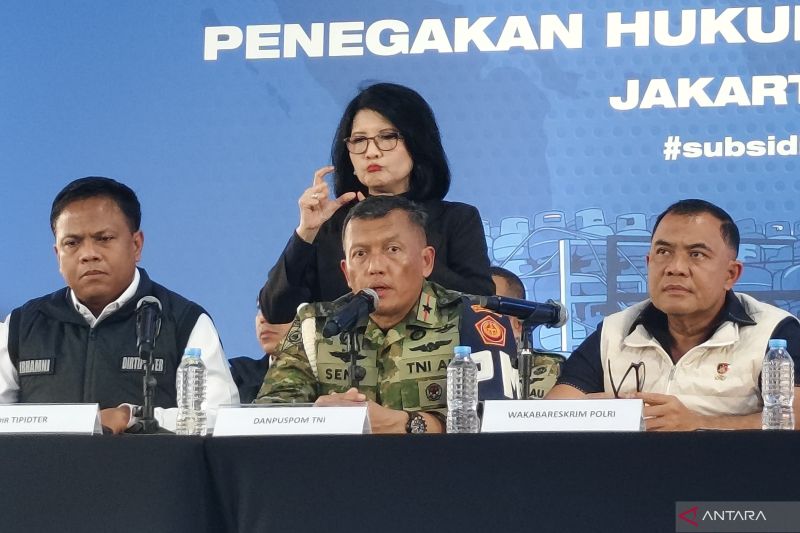
Indonesian military authorities, via the Military Police Center (Puspom), have declared their commitment to implement strict actions against any military personnel involved in corruption related to subsidized fuel. This announcement comes at a time when concerns about the exploitation of public resources are increasing, raising citizens' worries about transparency and integrity in managing these vital resources.
Given the challenging economic circumstances in Indonesia, the issue of subsidized fuel is a sensitive topic that directly affects citizens' lives. Officials have indicated that there have been documented cases involving some military personnel in these corrupt practices, necessitating decisive action to ensure they do not recur.
Details of the Announcement
The Military Police Center (Puspom) confirmed that all complaints related to fuel corruption will be investigated, and any military personnel found involved in these practices will face severe penalties. The statement also highlighted the importance of maintaining the military's reputation and ensuring it is not exploited for personal interests at the expense of the public good.
This step is part of the Indonesian government's efforts to enhance transparency and combat corruption, as corruption issues in the fuel sector pose a significant challenge to the Indonesian economy. Reports have shown that corruption in this sector results in substantial financial losses for the state, necessitating effective measures to address it.
Background & Context
Historically, Indonesia has faced multiple corruption issues, particularly in vital sectors such as oil and gas. These problems have led to a loss of trust in government institutions, prompting the government to take serious steps to combat corruption and promote transparency. In recent years, numerous legal and administrative reforms have been implemented to improve the management of public resources.
Indonesia is one of the largest oil-producing countries in Southeast Asia, and subsidized fuel is a fundamental part of the government's policy to support its citizens. However, corruption in this sector threatens the sustainability of these policies and negatively impacts the national economy.
Impact & Consequences
This move by military authorities is a positive step towards enhancing transparency and combating corruption, as it may restore trust in government institutions. If these measures are effectively implemented, they could lead to improved economic conditions and increased investments in the country.
Moreover, the success of this campaign could serve as a model for other countries facing similar corruption issues. Tackling corruption requires strong political will and collaboration among all stakeholders, including civil society and the media.
Regional Significance
Corruption and its combat are common challenges faced by many Arab countries. Despite differing economic and political conditions, corruption remains an obstacle to sustainable development. Arab nations could benefit from Indonesia's experiences in promoting transparency and combating corruption, contributing to improved economic and social conditions.
In conclusion, this announcement by Indonesian authorities represents a significant step towards enhancing integrity and transparency in managing public resources. The success of this campaign could open new avenues for cooperation among countries in the fight against corruption and achieving sustainable development.