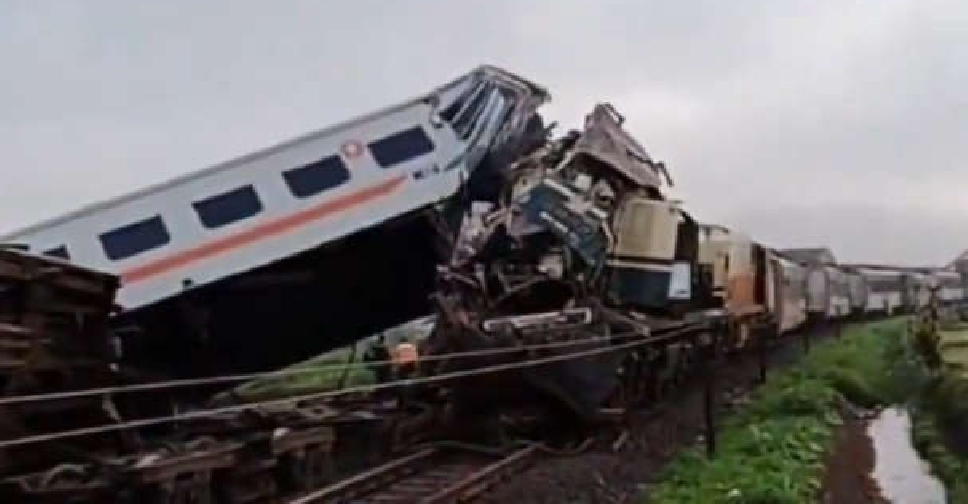
The head of BP BUMN, Doni Oskaria, stressed the importance of providing healthcare and compensation for victims of the train accident that took place at Bekasi Timur station, which resulted in the death of 14 individuals. The incident occurred on Monday, April 27, when the Argo Bromo train collided with a stationary KRL Commuter Line train at the station.
During his participation in the Jakarta Globe Insight event, Doni Oskaria pointed out that the government is working to ensure that necessary medical care is provided to the victims through collaboration with PT Jasa Raharja, which will cover treatment costs. He also urged PT KAI to provide compensation to the affected individuals as part of its social responsibility.
Details of the Incident
The tragic accident that took place in Bekasi Timur, West Java, led to many passengers sustaining serious injuries, necessitating the intervention of rescue and ambulance teams. Reports confirmed that 14 people lost their lives, while the injured were transported to three different hospitals in the area for treatment.
Doni Oskaria indicated that the evacuation of victims was a top priority for the government, as all resources were mobilized to ensure the safety of the injured. He also emphasized the importance of improving safety standards at all railway crossings in Indonesia.
Background & Context
Railway accidents in Indonesia are a recurring issue, with many crossings lacking the necessary safety standards. According to statistics, there are approximately 1,800 railway crossings that require improvements to ensure passenger safety. The government has allocated a budget of around 4 trillion rupiah to enhance these crossings, reflecting its commitment to increasing safety levels.
Since the beginning of the year, the Indonesian government has prioritized safety, taking serious steps to enhance safety standards across all modes of transportation, including railways.
Impact & Consequences
The recent accident highlights the urgent need to improve railway infrastructure in Indonesia. The current situation demands a swift response from the government to ensure that such tragic incidents do not recur. Furthermore, enhancing safety standards can bolster public confidence in the public transportation system.
This incident is expected to lead to a comprehensive review of policies related to railway safety, potentially resulting in radical changes in how this vital network is managed.
Regional Significance
Although the accident occurred in Indonesia, it raises questions about safety standards in public transportation in Arab countries. Many Arab nations face similar challenges in transportation, necessitating enhanced cooperation among countries to exchange experiences and best practices in safety.
Ultimately, these incidents should serve as a catalyst for developing effective strategies to ensure passenger safety worldwide.