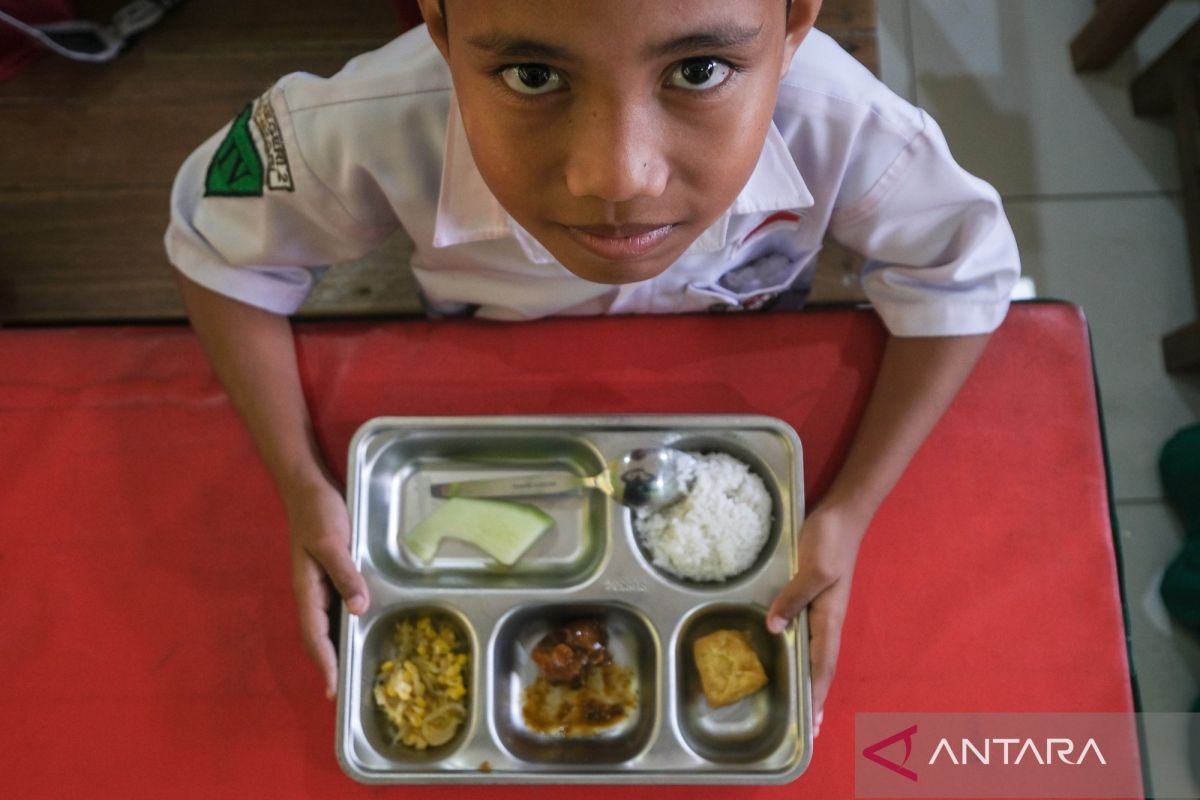
The Indonesian government announced in a coordination meeting at the Ministry of Food Coordination in Jakarta that it will implement the "Free Nutritious Meals" (MBG) program only on school days. This means that meals will not be distributed during holidays. This decision comes after a comprehensive evaluation of the program's effectiveness, which revealed that meal distribution on holidays was ineffective.
Minister of Food Coordination, Zulkifli Hasan, stated that the program, which was previously offered six days a week, including holidays, was not achieving its intended goals. He explained that meals will now be provided only during five school days a week, as students are expected to attend school during this period.
Details of the Decision
This step is part of the government's efforts to enhance the effectiveness of the Free Nutritious Meals program, focusing on meal distribution in areas suffering from poverty and high rates of malnutrition. The minister confirmed that there is particular attention to distributing meals in remote and disadvantaged areas, known as 3T (Underdeveloped, Advanced, and Remote).
The minister also indicated that meal distribution in these areas will consider food quality and the number of meals provided. An additional day for meal distribution may be added if necessary, especially in regions experiencing high rates of stunting among children.
Background & Context
The Free Nutritious Meals program is an initiative aimed at improving nutrition among children in Indonesia, where many children suffer from malnutrition. The program was launched as part of the government's efforts to combat poverty and improve living standards. However, there have been criticisms regarding the program's effectiveness, prompting the government to reassess it.
Historically, Indonesia has faced significant challenges in nutrition, with statistics indicating a very high percentage of children suffering from stunting. Therefore, improving the distribution of nutritious meals is a crucial step towards achieving sustainable development goals.
Impact & Consequences
This decision is expected to enhance the program's effectiveness and increase students' benefits from the meals provided. Additionally, focusing on remote and disadvantaged areas may contribute to reducing malnutrition rates among children, which will have a positive impact on their health and growth.
However, the government must ensure that there is good coordination between schools and relevant stakeholders to guarantee that meals reach all students, especially in areas facing difficulties in accessing services.
Regional Significance
Indonesia's experience in improving nutrition programs for children serves as a model that Arab countries can benefit from, as some nations face high rates of malnutrition among children. Arab countries can learn from successful experiences in Indonesia to develop similar programs that meet children's needs, especially in impoverished areas.
In conclusion, the Indonesian government's decision represents a positive step towards improving nutrition among children and reflects the government's commitment to combating poverty and enhancing living standards. It is essential for the government to continue evaluating the program's effectiveness and adjusting its strategies to ensure that the desired goals are achieved.