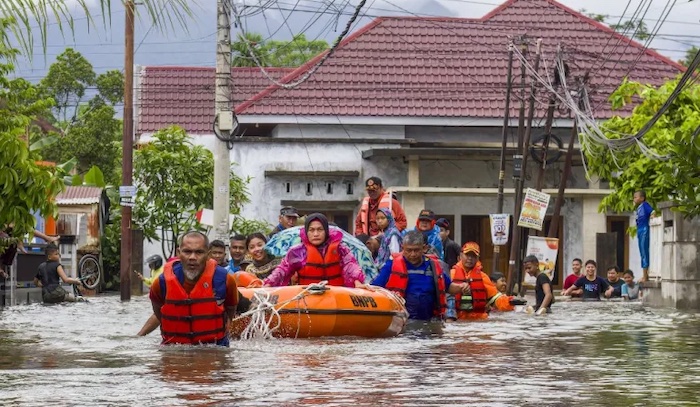
The Indonesian government has set a target to complete the reconstruction process in areas affected by natural disasters in Aceh, North Sumatra, and West Sumatra within a period not exceeding three years. This initiative comes at a time when the government seeks to bolster economic and social stability in these regions that have suffered from the impacts of natural disasters in recent years.
The Indonesian government's plan includes a series of developmental projects aimed at rebuilding infrastructure, providing financial assistance to affected residents, and enhancing public services such as education and health. A special budget has been allocated for these projects to ensure their effective implementation.
Details of the Initiative
The Indonesian government aims to achieve this goal through collaboration with non-governmental organizations and the private sector, having established a comprehensive plan that includes several phases. The first phase involves assessing the damage and identifying the basic needs of the population, while the second phase focuses on implementing reconstruction projects.
The plan also includes providing vocational training for local residents to enable them to participate in construction and rebuilding efforts, which contributes to improving living standards and enhances job opportunities in those areas. The government hopes that these efforts will foster community spirit and rebuild trust between the residents and the government.
Background & Context
Historically, Indonesia has experienced numerous natural disasters, including earthquakes and tsunamis, which have resulted in significant human and material losses. In 2004, the Aceh region was struck by one of the worst earthquakes in history, followed by a devastating tsunami that led to the deaths of thousands and displaced millions.
After that catastrophe, many reconstruction projects were implemented, but the economic and political challenges faced by the country delayed some of these initiatives. Today, the government seeks to regain trust by implementing an ambitious reconstruction and development plan.
Impact & Consequences
The success of this plan could have significant positive effects on the local economy, potentially leading to increased investments in the region and improved living standards for the residents. Additionally, rebuilding infrastructure will contribute to boosting tourism, which is one of the main sources of revenue in Indonesia.
However, challenges remain, including the need for effective resource management and coordination among various stakeholders. Delays in project implementation could exacerbate social and economic conditions in those areas.
Regional Significance
Indonesia is considered an important country in Southeast Asia, and its success in reconstruction could serve as a model for Arab countries facing similar challenges. Many Arab nations, such as Iraq and Syria, are suffering from the effects of conflicts and natural disasters, making the Indonesian experiences particularly relevant.
Arab countries can benefit from the lessons learned from Indonesia's reconstruction experience, especially in areas of planning, execution, and cooperation between government and civil society.