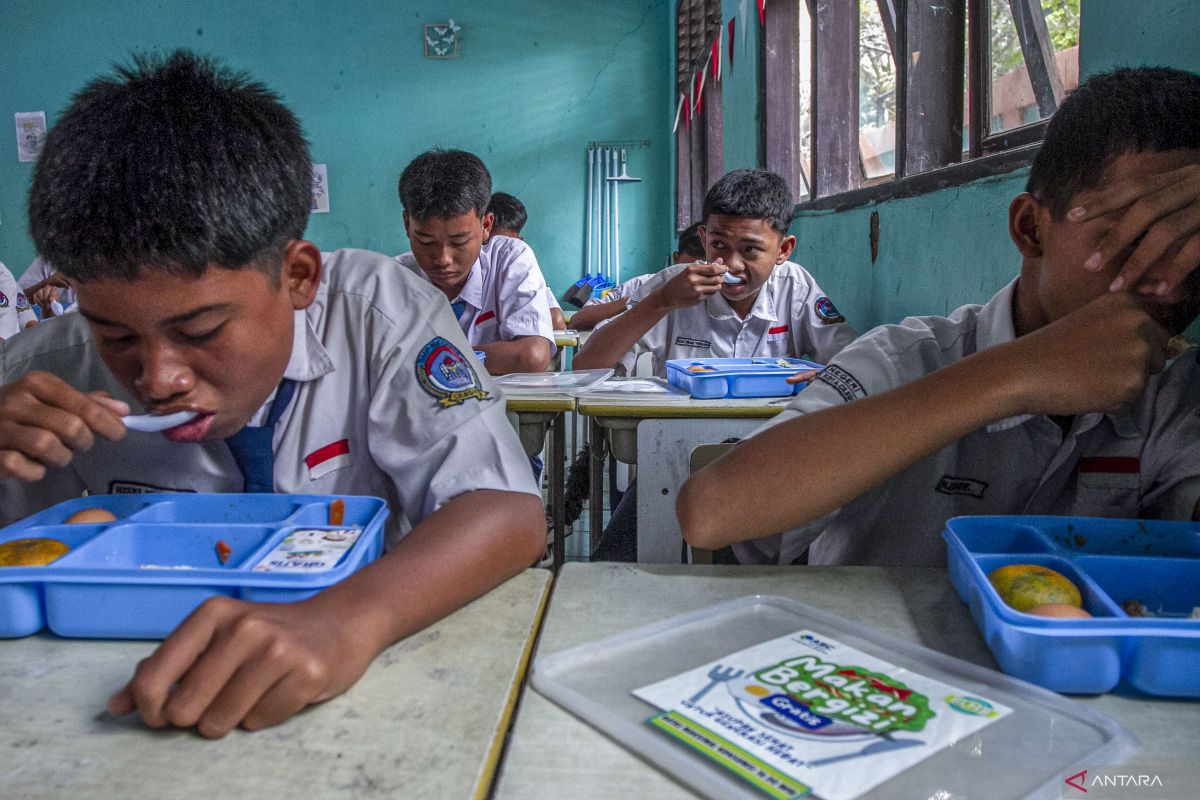
The Indonesian government, represented by the National Nutrition Agency (BGN), has issued a warning to 2100 food service units, with operations of 1789 of these units being temporarily suspended. This step is part of the government's commitment to improving the quality of the free nutrition program (MBG) offered to students in schools.
Dadan Hindayana, the head of BGN, explained that this measure is part of ongoing monitoring to ensure that food units comply with the required standards. He noted that most of the suspensions were due to the units not registering for health and hygiene certificates (SLHS).
Details of the Warning
In his remarks, Hindayana confirmed that the units warned had failed to provide the necessary documentation, leading to the suspension of their operations. He also mentioned that some units had already registered but did not receive their certificates during the month. Even units that were providing good services could face suspension if they did not obtain the required certification.
He added that the suspension would be temporary until the necessary documents are issued, clarifying that some units could receive their certificates within two to three days. He emphasized that there are other units that lack wastewater treatment facilities, necessitating the construction of these facilities before operations can resume.
Background & Context
These actions come at a sensitive time, as 62 food units were monitored during the last Ramadan, providing meal lists that did not meet the specified standards. This issue sparked widespread debate on social media, prompting BGN to take swift action to suspend the operations of those units.
The Indonesian government aims through these measures to enhance the quality of nutrition provided to students, having determined that the distribution of the free nutrition program will only occur on school days, reflecting a shift towards improving the program's effectiveness.
Impact & Consequences
This step is part of the Indonesian government's efforts to ensure that students receive healthy and balanced nutrition. These measures are expected to improve the quality of food services provided, positively impacting students' health and academic performance.
Furthermore, these actions reflect the government's commitment to monitoring the quality of food services, which is crucial given the health challenges faced by many countries in the region.
Regional Significance
These measures could serve as a model for Arab countries facing similar challenges in school nutrition. Improving the quality of nutrition provided to students can contribute to enhancing public health and educational capacity.
In light of economic and social challenges, Arab countries should learn from successful experiences in improving nutrition programs, contributing to the development of a healthy and educated generation.