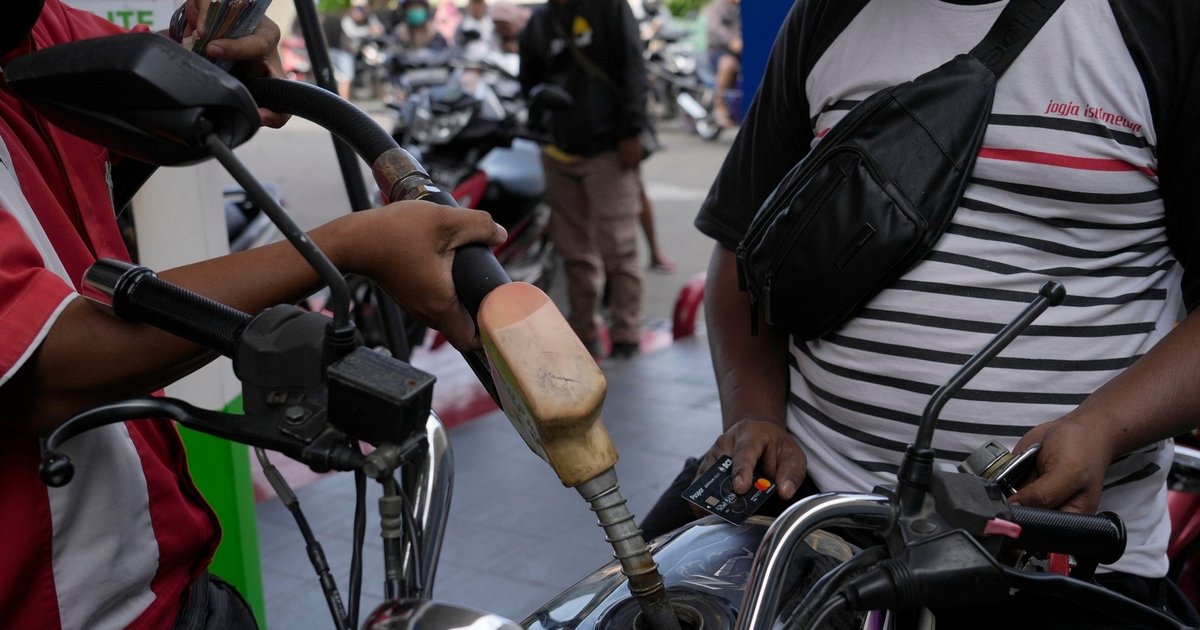
The Chairman of the Legal Affairs Committee in the Indonesian Parliament, Habiburokhman, praised the police's efforts in uncovering a corruption case related to subsidized fuel and gas. This statement was made on Wednesday, highlighting the importance of these actions in promoting transparency and combating corruption.
These remarks come at a sensitive time when Indonesia is witnessing increasing efforts to combat corruption, particularly in sectors related to natural resources and government support. Recent investigations have revealed widespread fraud concerning the distribution of subsidized fuel, which has impacted the national economy and increased burdens on citizens.
Details of the Incident
As part of the investigations, the police managed to apprehend several individuals involved in manipulating the distribution of subsidized fuel. Evidence showed that these individuals were selling subsidized fuel at inflated prices in the black market, exacerbating the fuel crisis in the country.
A network of companies benefiting from these illegal operations was also uncovered, receiving large quantities of subsidized fuel and then selling it at high prices. Habiburokhman pointed out that this case represents a significant challenge for the government, necessitating strict measures to ensure such violations do not recur.
Background & Context
Historically, Indonesia has struggled with corruption issues related to natural resources, with previous governments facing criticism for their inability to effectively address these matters. These problems have led to a loss of trust in government institutions, prompting the current administration to take serious steps to combat corruption and enhance transparency.
In recent years, the Indonesian government has implemented reforms aimed at improving the management of natural resources, including strengthening oversight of subsidized fuel distribution. However, significant challenges remain, particularly in the presence of strong corruption networks.
Impact & Consequences
This case serves as a wake-up call for the Indonesian government, highlighting the need to strengthen oversight and accountability mechanisms. With growing public awareness of corruption issues, pressure is expected to mount on the government to take more effective actions against this phenomenon.
This case may also affect foreign investments in Indonesia, as companies might hesitate to invest in an environment perceived as opaque or corrupt. Therefore, effectively addressing these issues could contribute to improving the business climate in the country.
Regional Significance
The corruption issue in Indonesia serves as a model for many Arab countries facing similar challenges. With increasing awareness of corruption issues, Arab governments must enhance transparency and accountability in managing public resources.
Cooperation between Arab countries and Indonesia in combating corruption could facilitate the exchange of experiences and the development of effective strategies to tackle this phenomenon. Moreover, enhancing transparency could improve the image of Arab countries on the international stage.