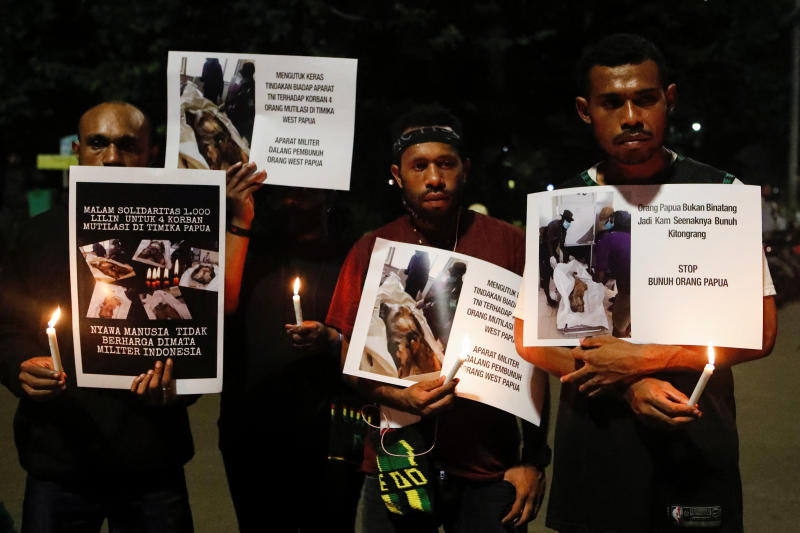
A crucial meeting was held in the Indonesian capital, Jakarta, on Thursday by the Human Rights Committee of the Indonesian Parliament (DPR RI), focusing on ways to compensate victims of severe human rights violations (HAM) that occurred in the past. The meeting saw the participation of representatives from various ministries, including the Coordinating Ministry for Legal, Political, and Security Affairs, the Ministry of Health, the National Human Rights Commission, and other relevant institutions.
The Vice Chairman of the Human Rights Committee, Andreas Hugo Pareira, emphasized the strategic importance of this meeting, which aims to explore compensation avenues for victims and witnesses who have suffered from human rights violations. He pointed out the necessity of providing social guarantees for victims, enabling them to regain access to health services and economic support, thereby improving their quality of life.
Event Details
During the meeting, the significance of social security guarantees in reducing the vulnerability experienced by victims was highlighted, as well as preventing the exacerbation of social gaps. Pareira noted that policies related to social security and compensation would enhance public trust in the state's ability to protect citizens' rights and deliver justice.
This meeting serves as a complementary step to the recommendations from a previous working visit in Yogyakarta, where the importance of addressing human rights issues comprehensively was reaffirmed. The need for cooperation among various ministries and government agencies to ensure the effective implementation of these policies was also emphasized.
Background & Context
Historically, Indonesia has witnessed numerous human rights violations, particularly during periods of authoritarian rule and internal conflicts. Many communities have suffered the consequences of these violations, leading to an urgent need to address compensation and reconciliation issues. In recent years, the Indonesian government has begun to acknowledge these issues, but progress remains slow.
It is essential to understand that addressing human rights issues is not solely a governmental responsibility; it also requires the involvement of civil society and non-governmental organizations. These organizations play a vital role in raising awareness among the community about their rights and assisting victims in obtaining necessary compensations.
Impact & Consequences
These steps towards compensation and reconciliation are crucial for building trust between the government and citizens. If the government can implement effective policies, it may contribute to enhancing social and political stability in Indonesia. Furthermore, addressing human rights issues can improve Indonesia's image on the international stage, potentially leading to better relations with other countries.
Moreover, providing support to victims can help reduce social tensions and promote sustainable development opportunities. Recognizing the suffering of victims and offering appropriate compensations can have a positive impact on society as a whole.
Regional Significance
Human rights issues are hot topics in many Arab countries, where some nations suffer from severe violations. The Indonesian experience in addressing human rights issues could serve as a model for the region. Arab countries can benefit from the lessons learned from Indonesia on how to deal with compensation and reconciliation matters.
In light of ongoing challenges in the region, promoting human rights can contribute to achieving stability and development. The exchange of experiences among countries can lead to improved humanitarian conditions in the region and enhance opportunities for regional cooperation.