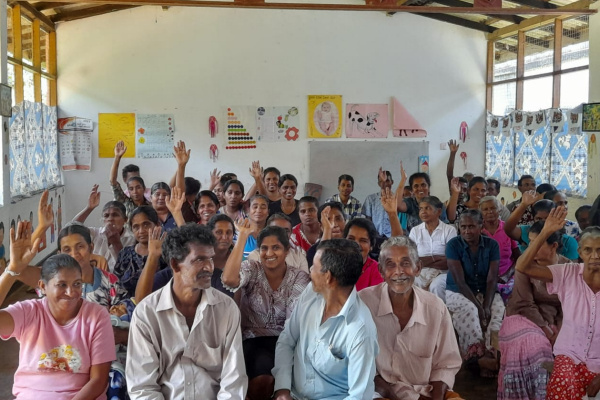
The Indonesian Parliament (DPRD) has reaffirmed its commitment to gathering and following up on citizens' opinions to ensure their incorporation into public policies. This affirmation is part of the council's efforts to enhance democracy and public participation, as it seeks to make citizens' voices an essential part of the decision-making process.
In official statements, council members clarified that they are working on establishing effective communication channels with citizens, including organizing public hearings and workshops aimed at collecting opinions and suggestions from various segments of society. This step reflects the council's desire to enhance transparency and accountability in government.
Details of the Initiative
This initiative comes at a sensitive time for Indonesia, as the country faces multiple challenges related to the economy and social development. Some council members pointed out that listening to citizens' opinions can help better guide policies to meet community needs.
Moreover, the importance of cooperation between various government entities and civil society has been emphasized, as this collaboration can contribute to improving the quality of life for citizens. The council hopes that these steps will mark the beginning of an improved relationship between the government and the citizens.
Background & Context
Historically, Indonesia has undergone significant transformations in its political system since the end of authoritarian rule in the late 1990s. Since then, democracy has become an integral part of political life in the country, leading to an increased importance of legislative institutions such as the Parliament.
Over the years, laws supporting citizens' rights to participate in decision-making have been strengthened, reflecting the government's commitment to enhancing democracy. However, challenges still face this process, including a lack of trust between citizens and government institutions.
Impact & Consequences
This step by the Indonesian Parliament is considered highly significant, as it could lead to improved trust between citizens and the government. If the council succeeds in implementing these initiatives, it may enhance political and social stability in the country.
Furthermore, these initiatives could serve as a model for other countries in the region seeking to promote democracy and public participation. Improving the relationship between the government and citizens can contribute to achieving sustainable development.
Regional Significance
Many Arab countries are looking to enhance democracy and public participation in decision-making. Indonesia's experience could serve as an inspiration for Arab nations seeking to improve their relationships with their citizens and enhance transparency and accountability.
Strengthening the role of legislative institutions in Arab countries can contribute to achieving stability and development, positively impacting citizens' lives. In this context, Indonesia's experience is a model for how to achieve a balance between power and society.