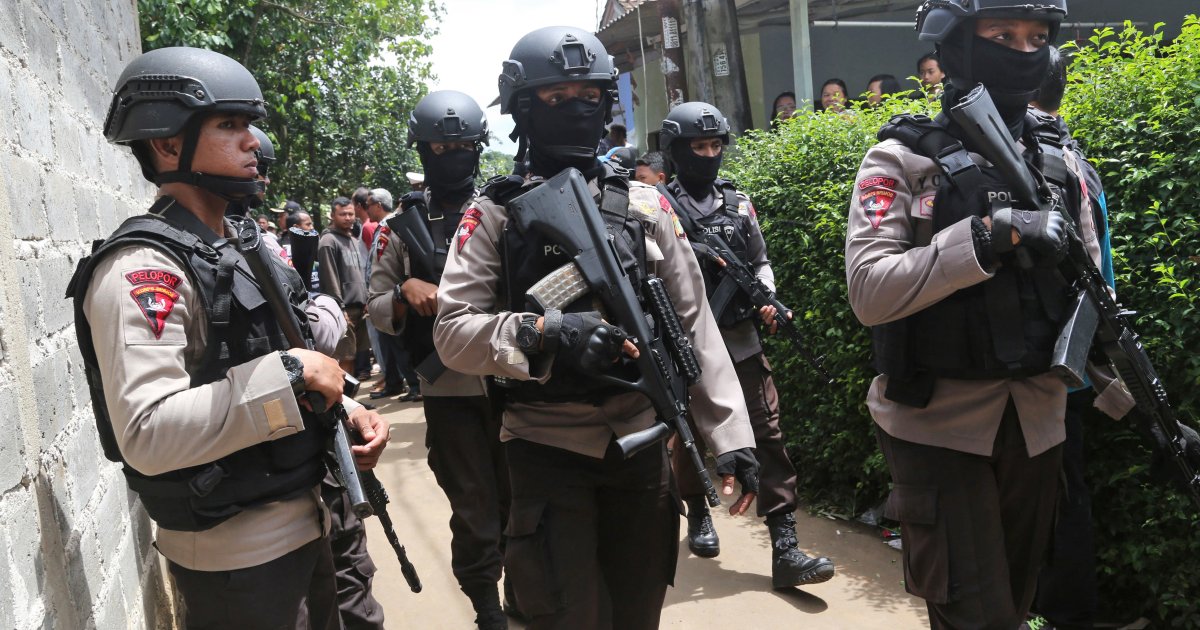
In a surprising move, the police in Bogor, Indonesia, announced the seizure of 793 gas cylinders of various sizes, as part of investigations related to manipulation practices in the distribution of subsidized gas. This operation was carried out following reports from citizens about the illegal use of subsidized gas cylinders, leading to a crisis in gas availability for consumers.
This campaign comes at a sensitive time, as many citizens in Indonesia are struggling to obtain subsidized gas, which is considered the primary energy source for cooking and heating. Officials have indicated that these practices negatively impact the most vulnerable groups, necessitating strict measures against violators.
Details of the Incident
The police managed to seize the cylinders during inspection operations that covered several areas in Bogor, where manipulated subsidized gas cylinders were found. The police confirmed that they would continue their investigations to reach those involved in these practices, noting that this is not the first case of its kind, as the country has witnessed several similar incidents in recent years.
In a related context, reports indicate that some traders are buying subsidized gas at low prices and then reselling it at higher prices, exacerbating the suffering of citizens. Some citizens have pointed out that they face difficulties in finding subsidized gas in the markets, forcing them to resort to more expensive alternatives.
Background & Context
Indonesia is considered one of the largest gas-producing countries in the world; however, the distribution of subsidized gas faces numerous challenges. In recent years, the country has witnessed a rise in energy prices, leading to increased demand for subsidized gas. Nevertheless, corruption and illegal practices in gas distribution have contributed to worsening the crisis.
Historically, Indonesia has relied heavily on natural gas as an energy source, but economic and political challenges have led to a decline in the level of services provided to citizens. This has resulted in increased protests from citizens demanding improvements in their living conditions.
Impact & Consequences
The issue of subsidized gas manipulation in Indonesia is a sensitive matter, as it directly affects the lives of citizens. This campaign is expected to raise awareness about the importance of combating corruption in the energy sector and may encourage the government to take additional steps to improve the gas distribution system.
Moreover, this issue may affect public trust in the government and the entities responsible for energy distribution, necessitating effective measures to ensure transparency and accountability in this vital sector.
Regional Significance
The issue of subsidized gas manipulation in Indonesia serves as an example of the challenges faced by many countries in the energy sector. In the Arab region, countries like Lebanon and Syria face similar challenges related to energy distribution and corruption. These countries could benefit from Indonesia's experiences in addressing corruption issues and improving energy distribution systems.
In conclusion, the issue of subsidized gas in Indonesia remains a matter of significant interest, as the government seeks to address these challenges and improve citizens' conditions. Combating corruption in the energy sector is considered a fundamental step towards achieving sustainable development and social justice.