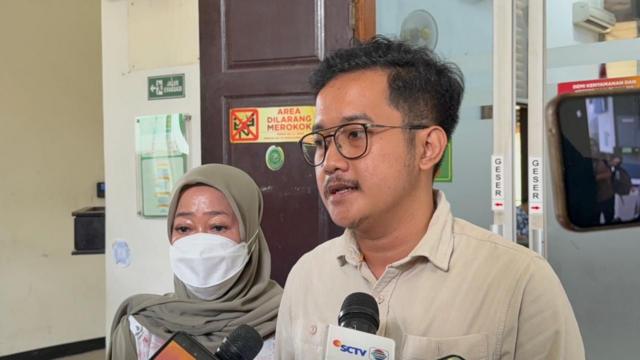
The Indonesian Prosecutor's Office (Kejagung) has lodged an appeal with the Supreme Court against the acquittal of Delpidro Marahan, director of the Lokataru Foundation, and three other defendants in a case related to incitement during protests that occurred in August 2025. The head of the legal media center at the Prosecutor's Office, Anang Suprinata, confirmed that the appeal was made following the referral of the case to court on December 9, 2025.
According to Indonesian laws, cases that have been referred to court and have commenced proceedings must remain subject to previous laws, indicating that the Prosecutor's Office is seeking to revisit the ruling that acquitted the defendants of the charges against them.
Details of the Case
The four defendants, including Delpidro, were acquitted by the court after the Prosecutor's Office was deemed unable to provide evidence proving their involvement in incitement. The court issued a ruling restoring their legal and social rights. Despite this, the Prosecutor's Office had sought a two-year prison sentence for the defendants, arguing that they had incited citizens to commit acts of violence against authorities.
The case dates back to the period from August 24 to 29, 2025, when the defendants were accused of disseminating 80 pieces of inciting content via social media, leading to riots in several areas, including outside the Indonesian parliament. This content was reportedly used to attract students, often minors, to participate in the protests.
Background & Context
This case is part of a series of events that Indonesia has witnessed in recent years, where protests against the government have increased due to issues related to corruption and human rights. These protests have sparked widespread debate about freedom of expression and citizens' rights to voice their opinions. In recent years, the Indonesian government has faced growing criticism for suppressing peaceful protests.
Historically, Indonesia has struggled with issues of incitement and political freedom, having experienced periods of authoritarian rule. However, the democratic transitions since the 1990s have led to the strengthening of human rights, although challenges remain.
Impact & Consequences
This case represents a significant test for the justice system in Indonesia, as it will determine how authorities handle issues of freedom of expression. If the Prosecutor's Office succeeds in its appeal, it could lead to increased censorship of the media and freedom of expression in the country. Conversely, if the acquittal is upheld, it may encourage further political and social activism within the nation.
Moreover, this case could affect the relationship between the government and civil society, as activists may fear that the government could use laws to pursue them. The final ruling in this case could shape the future of social movements in Indonesia.
Regional Significance
The implications of this case extend beyond Indonesia, as it highlights the ongoing struggles for freedom of expression in Southeast Asia. The outcome could influence similar movements in neighboring countries, where activists face similar challenges. Observers are closely monitoring this case as it may set a precedent for how governments in the region respond to dissent.
In conclusion, the final verdict in this case will not only impact the defendants but also reflect the broader state of democracy and human rights in Indonesia, potentially affecting future activism and governmental policies.