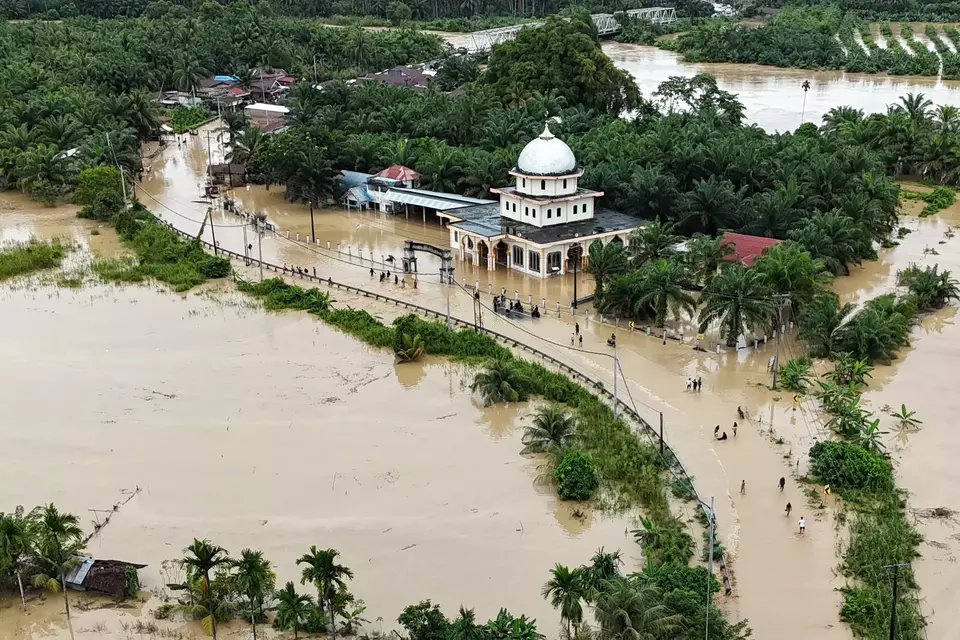
Reconstruction efforts have begun in the village of Titinji in Aceh, Indonesia, following the floods that struck the area last November. The Indonesian government is working to rebuild homes and infrastructure, restoring hope to the affected residents.
Signs of recovery are clearly visible in Titinji, where homes are returning to their normal state, and roads have been reconnected, bringing life back to normal after the disaster that befell the area.
Event Details
In November 2025, the village of Titinji experienced devastating floods due to heavy rainfall, which resulted in the area being submerged in water. All families in the village were affected, with approximately 418 residents impacted. The village suffered complete isolation, as homes were destroyed, roads were cut off, and electricity was lost.
Despite the challenging circumstances, the government was able to quickly open alternative routes, which contributed to the swift arrival of aid. Within less than ten days of the disaster, relief teams began reaching the area, helping residents navigate through the crisis.
Background & Context
The village of Titinji is located in the Dataran Tinggi Gayo region, a mountainous area known for its natural beauty but also for facing harsh climatic conditions. Historically, the residents of the area have been accustomed to facing environmental challenges, but the recent floods were among the most devastating.
Historically, Aceh has witnessed numerous natural disasters, including earthquakes and tsunamis, making reconstruction and recovery efforts a vital part of the residents' lives. The recent floods were attributed to climate change and increased rainfall, raising concerns about the future.
Impact & Consequences
The reconstruction efforts in Titinji are an important step towards restoring normal life in the region. Rebuilding homes and infrastructure not only means returning residents to their homes but also rebuilding hope and confidence in the future.
These efforts demonstrate how governments can play a vital role in supporting communities affected by disasters. The biggest challenge is ensuring that such disasters do not recur in the future, which requires effective strategies for adapting to climate change.
Regional Significance
The experience of Aceh serves as an important lesson for Arab countries facing similar challenges, such as floods or droughts. Adapting to changing climatic conditions has become an urgent necessity, and Arab nations should learn from the experiences of other countries in disaster management.
Ultimately, the reconstruction efforts in Aceh remain a model of resilience and recovery, reflecting the ability of communities to rise again after disasters.