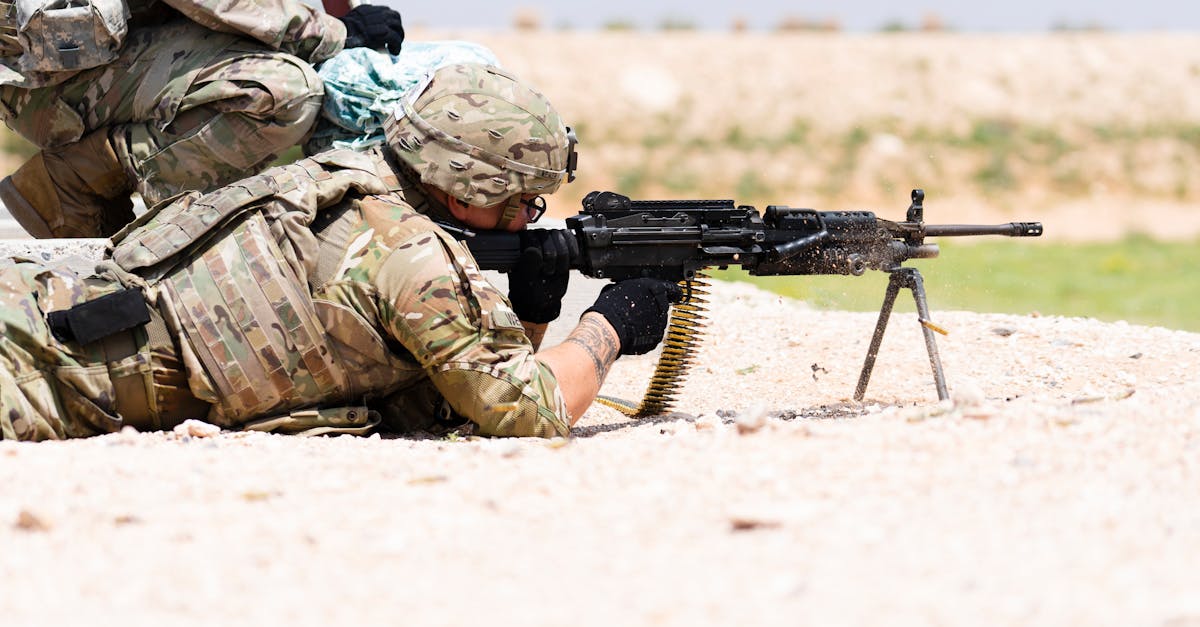
The U.S. Department of Defense (Pentagon) reported that 365 American soldiers have been injured since the start of the 'Epic Fury' operation approximately five weeks ago, while the death toll remains at 13. These figures reflect escalating military tensions between the United States and Iran, with injuries predominantly affecting ground forces.
According to official data, 247 of the injured are from the ground forces, while the Navy recorded 63 injuries, the Marine Corps 19, and the Air Force 36. These numbers indicate the impact of military operations on various branches of the U.S. armed forces.
Details of the Incident
A Pentagon official noted that over 75% of the injuries among U.S. military personnel are related to traumatic brain injuries, which result from external impacts to the head. Symptoms of these injuries include headaches, dizziness, nausea, vomiting, and loss of consciousness, with severity varying depending on the force of the impact. The official also clarified that military personnel classified as seriously injured are those whose deaths may be imminent or likely.
In a related context, General Dan Keen, Chairman of the Joint Chiefs of Staff, confirmed that most injuries among U.S. military personnel resulted from attacks by Iranian drones. These attacks pose a significant challenge for the U.S. military, which is striving to minimize casualties within its ranks.
Background & Context
These developments come at a sensitive time as tensions between the United States and Iran escalate, which began after Washington's withdrawal from the Iranian nuclear deal in 2018. Since then, the region has witnessed an escalation in military actions, including reciprocal attacks between U.S. and Iranian forces.
Historically, Iran has utilized drones as an effective means of targeting U.S. forces in the region, complicating the security situation. These military operations are part of Iran's strategy to enhance its influence in the Middle East, raising concerns for Washington and its allies.
Impact & Consequences
These injuries are expected to increase pressure on the U.S. government to provide necessary support and medical care for the injured soldiers. Additionally, the rising numbers of injuries may affect American public opinion, potentially prompting the administration to reassess its military strategy in the region.
Concerns are growing that the continuation of military operations could lead to greater escalation, adversely affecting regional stability. Moreover, these events may impact relations between the United States and allied countries in the region, which may feel anxious about the rising tensions.
Regional Significance
The current events in Iraq, Syria, and Lebanon are among the most significant repercussions of the escalation between the United States and Iran. Increasing tensions could exacerbate security conditions in these countries, negatively impacting civilian lives.
Furthermore, the escalation of military operations may contribute to the strengthening of armed groups in the region, complicating peace and stability efforts. Therefore, the situation requires close monitoring by the international community to ensure that conditions do not worsen.
In conclusion, the situation in the region remains tense, and it appears that military operations will continue to affect the lives of both soldiers and civilians alike, necessitating the search for diplomatic solutions to alleviate tensions.