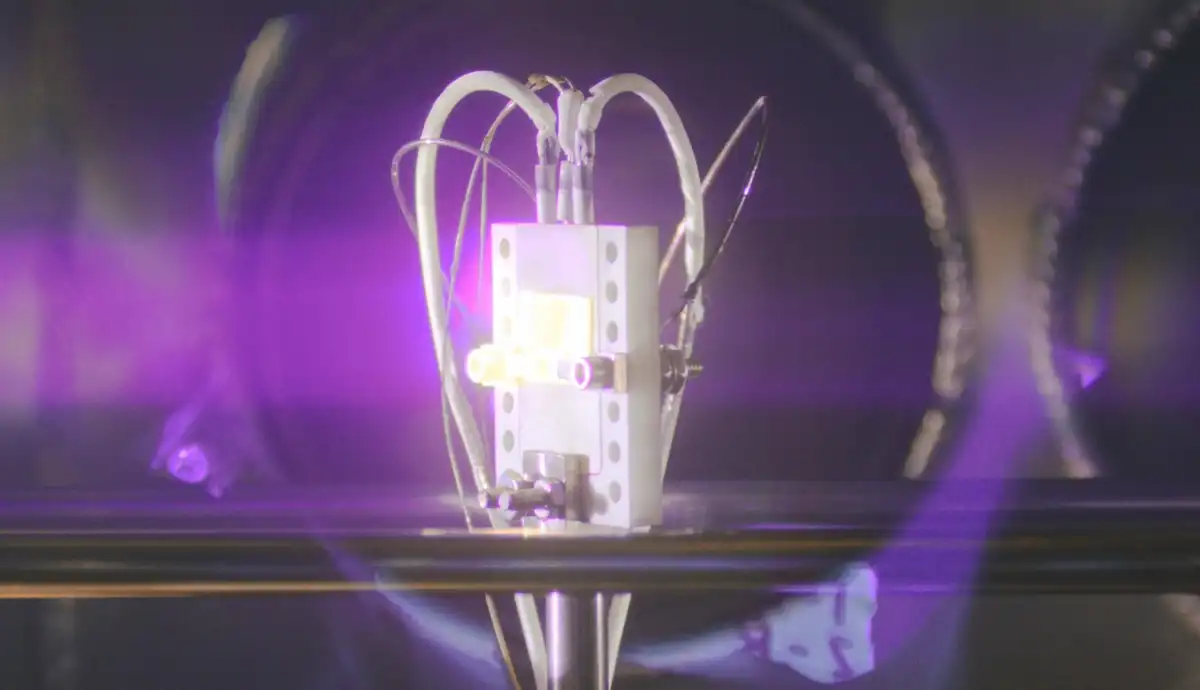
Avalanche Energy, in partnership with the Defense Advanced Research Projects Agency (DARPA), is working on a new type of materials that can convert harmful radiation into electricity. This project represents an important step towards achieving fusion energy, which is considered one of the cleanest and most sustainable energy sources.
The new technology aims to address harmful radiation resulting from various industrial and military processes, enabling its safe and efficient use in energy generation. These nuclear batteries are expected to improve energy efficiency and reduce reliance on traditional energy sources.
Details of the Development
The development process of these materials involves advanced techniques to convert radiation into electrical energy, opening new horizons in the energy sector. The project aims to create batteries capable of operating for extended periods without the need for continuous maintenance, making them ideal for use in harsh environments.
This initiative is part of larger efforts aimed at achieving clean and sustainable energy. Previous research has shown that fusion energy could serve as an effective alternative to traditional nuclear power, producing vast amounts of energy without generating radioactive waste.
Background & Context
Over the decades, nuclear energy has been a controversial topic, associated with safety risks and radioactive waste. However, recent advancements in fusion energy may change this perception. Research in this field dates back to the mid-20th century, but current technological progress makes it possible to achieve tangible results.
Fusion energy is the process that occurs in the sun, where atomic nuclei combine to produce enormous amounts of energy. If scientists can effectively achieve this process on Earth, it could revolutionize the energy sector.
Impact & Consequences
If Avalanche Energy's project succeeds, it could lead to radical changes in how energy is produced. This technology could significantly reduce carbon emissions, aiding in the fight against climate change. Additionally, the use of fusion energy could decrease dependence on fossil fuels, enhancing energy security for nations.
Moreover, this new technology may open doors for investment and innovation in the energy sector, fostering economic growth and creating new job opportunities in this field.
Regional Significance
The implications of successful nuclear battery development extend beyond just energy production; they could reshape global energy dynamics. As countries strive for energy independence and sustainability, innovations like these could position nations at the forefront of the clean energy transition.
In conclusion, the work being done by Avalanche Energy and DARPA represents a significant leap forward in the quest for clean energy solutions, potentially altering the landscape of energy production and consumption for generations to come.