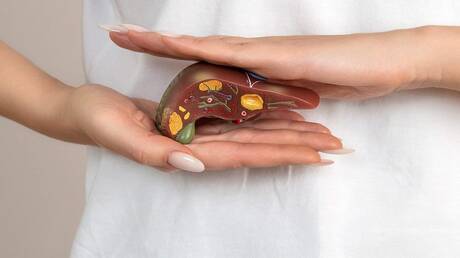
Scientists from Sechenov University, in collaboration with Russian scientific institutions, have developed an innovative technology aimed at protecting and repairing the liver. This technique utilizes biocompatible nanoparticles and microRNA molecules, reflecting a significant advancement in the field of regenerative medicine and the treatment of liver diseases.
This technology represents an important step in addressing liver diseases, which are among the most common health issues worldwide. Statistics indicate that liver diseases affect millions of people annually, necessitating the search for effective and rapid solutions.
Details of the Innovation
The new technology involves the use of nanoparticles capable of precisely targeting liver cells, facilitating the self-repair process. Additionally, microRNA molecules play a vital role in regulating the genes responsible for cell growth and tissue regeneration. This innovation opens new horizons for treating chronic liver diseases, such as liver fibrosis and viral hepatitis.
Researchers conducted preliminary clinical trials that demonstrated the effectiveness of this technology in enhancing the liver's self-healing capacity. Results showed that the use of nanoparticles could lead to significant improvements in liver functions and a reduction in damage caused by diseases.
Background & Context
Historically, liver diseases have posed a significant challenge to the healthcare sector, with available treatments limited to traditional medications or organ transplants. As scientific research has advanced, it has become possible to develop new techniques based on biotechnology, contributing to improved quality of life for patients.
Russia is one of the leading countries in medical research, with the government investing in the development of new technologies to address health challenges. This innovation is part of ongoing efforts to enhance scientific research and its practical applications in public health.
Impact & Consequences
This innovation could have a substantial impact on how liver diseases are treated in the future. If clinical studies prove successful, this technology may be widely adopted in hospitals and medical centers. This will help reduce the need for organ transplants and enhance recovery opportunities for patients.
Furthermore, this technology could pave the way for the development of new treatments for other diseases related to vital organs, thereby strengthening modern medicine's ability to tackle health challenges.
Regional Significance
In the Arab region, liver diseases are pressing health issues. With the increasing incidence of liver diseases, this innovation could have a positive impact on healthcare systems in Arab countries. It may contribute to improving available treatments and reducing financial burdens on health systems.
Moreover, the exchange of knowledge and expertise between Arab countries and Russia in this field could enhance the ability of Arab nations to face health challenges and create new opportunities for collaboration in scientific research.
In conclusion, this innovation represents an important step towards improving healthcare and treating chronic diseases. As research and studies continue, we may witness a transformation in how modern medicine addresses liver diseases.