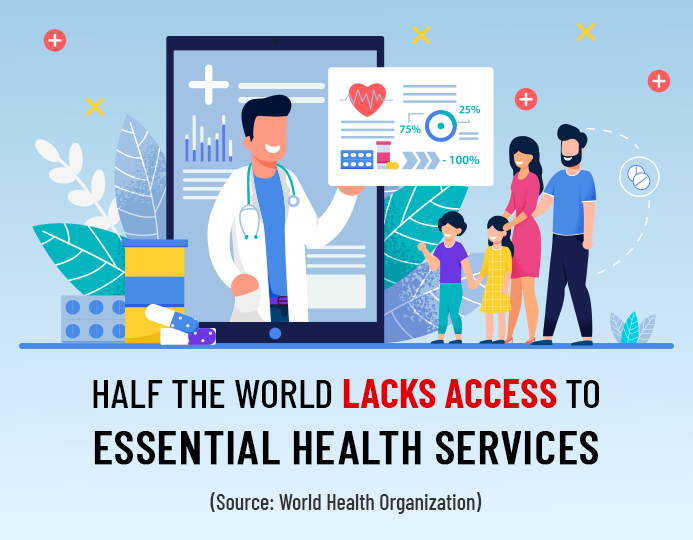
Insurance companies are refocusing on healthcare by improving access to their services. This shift comes amid a growing demand for comprehensive and effective health services, as many individuals face difficulties in obtaining appropriate healthcare due to high costs or administrative complexities.
In recent years, the health insurance industry has undergone significant transformations, with many service providers reassessing their business models to better meet customer needs. This shift is driven by increasing pressure from consumers who demand more seamless and transparent experiences in accessing healthcare.
Event Details
Insurance companies are developing new strategies aimed at improving access to their services, including the use of digital technology to facilitate the registration process and claims submission. There is also a focus on offering additional services such as online health consultations, allowing patients to receive medical advice without the need to visit clinics.
Moreover, companies are striving to provide more flexible insurance plans, enabling individuals to choose services that suit their specific needs. This trend reflects a deeper understanding of market needs, as many prefer insurance options that align with their health and financial circumstances.
Background & Context
Historically, the health insurance industry has primarily focused on financial aspects, leading to a lack of emphasis on the quality of care provided. With rising health awareness among individuals, it has become essential to rethink how insurance services are delivered. In many countries, there have been calls for improving the overall healthcare system, prompting insurance companies to take positive steps toward enhancing their services.
In recent years, we have also witnessed an increase in technological innovations in healthcare, such as smartphone applications that help patients manage their health. These innovations enhance individuals' ability to access health information easily, underscoring the importance of improving access to insurance services.
Impact & Consequences
Improving access to health insurance services can have positive effects on public health. When individuals can easily obtain healthcare, it contributes to reducing chronic disease rates and improving quality of life. It can also lessen the financial burdens on the healthcare system as a whole.
Furthermore, this transformation in the insurance industry could lead to increased competition among companies, potentially enhancing the services offered and reducing costs. This would benefit consumers, as they would have access to more diverse and suitable options.
Regional Significance
In the Arab region, where healthcare systems face multiple challenges, improving access to health insurance services can have a significant impact. Many Arab countries suffer from a lack of quality health services, making it essential to rethink how insurance services are provided. These improvements could contribute to enhancing public health and reducing gaps in access to healthcare.
In conclusion, refocusing on healthcare by improving access to insurance is an important step toward building a more inclusive and effective healthcare system. As changes in the insurance industry continue, we can expect to see further innovations that enhance the quality of healthcare provided to individuals.