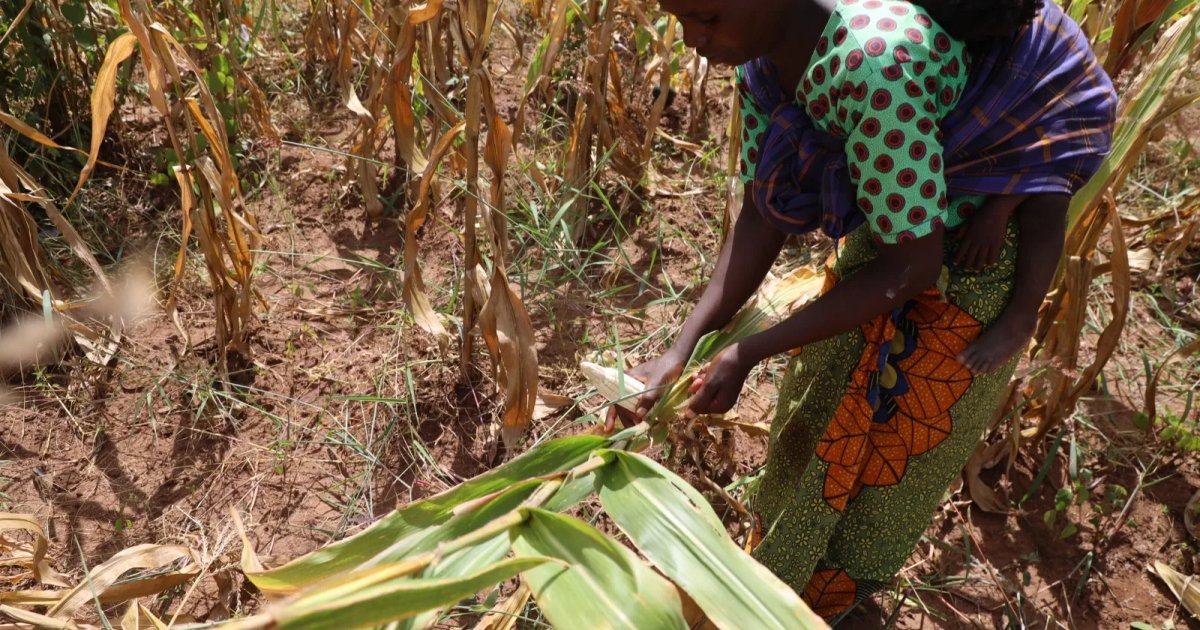
The Disaster Management Agency in Sumedang, Indonesia, has announced enhanced efforts to address the impacts of the El Niño phenomenon threatening the region with drought. The agency's head, Bambang Riyanto, revealed that the measures include providing fresh water, increasing patrols in fire-prone areas, and adjusting agricultural practices.
Riyanto emphasized that the main focus is on mitigating the effects of drought, the fresh water crisis, forest fires, and their impact on the agricultural sector. He pointed out the necessity of early preparedness to face these challenges, as the effects of El Niño are expected to begin appearing in May, with the peak drought anticipated in August.
Event Details
According to reports from BMKG, Sumedang is still in a transitional period towards the dry season, despite ongoing rainfall in some areas. Riyanto explained that the peak impact of El Niño is expected between July and August, necessitating the government's and community's readiness to face difficult conditions.
All regions of Sumedang Province are significantly vulnerable to the effects of El Niño, prompting the preparation of a comprehensive plan to tackle these challenges. Among the areas most prone to forest fires, Tomo and Ojong Jaya stand out as the regions that have experienced similar incidents in the past.
Background & Context
The El Niño phenomenon is part of climate changes affecting weather patterns globally. Indonesia has experienced negative impacts from this phenomenon in recent years, leading to severe drought and widespread forest fires. Historically, Indonesia has been significantly affected by climate changes, necessitating proactive measures to address these challenges.
The Indonesian government aims to improve its response to natural disasters by enhancing cooperation between government agencies and local communities. Several initiatives have been launched to raise environmental awareness and educate the community on how to handle climate crises.
Impact & Consequences
Forecasts indicate that the effects of El Niño may exacerbate the water crisis in arid regions, negatively impacting agriculture and food production. Additionally, forest fires may lead to environmental degradation and increased carbon emissions, contributing to worsening climate change.
Raising community awareness about the importance of water conservation and environmental protection is vital to addressing these challenges. Studies have shown that community involvement in disaster mitigation efforts can effectively reduce potential damages.
Regional Significance
The El Niño phenomenon is a concern for all countries, including Arab nations that may be affected by climate changes. Changes in weather patterns can lead to negative impacts on agriculture and food security in the region. Therefore, sharing experiences among countries in disaster management and adaptation to climate changes is essential.
In conclusion, addressing the impacts of the El Niño phenomenon requires a concerted effort between governments and local communities, along with enhanced environmental awareness and proactive planning to tackle crises.