Israeli forces have intensified their airstrikes on Iranian nuclear facilities, announcing today, Saturday, that they launched over 50 aircraft against three different sites in Iran. These strikes come at a sensitive time, as the US-Israeli war with Iran has entered its second month, heightening tensions in the region.
The Israeli military confirmed it targeted a number of vital facilities, including the heavy water facility in Arak and an explosive materials factory linked to uranium enrichment in Yazd. Additionally, the methanol production complex in Bushehr was attacked with projectiles, according to the Iranian Tasnim news agency. The agency reported that a US-Israeli bombardment targeted an industrial complex in the port of Dayr in Bushehr province.
Details of the Event
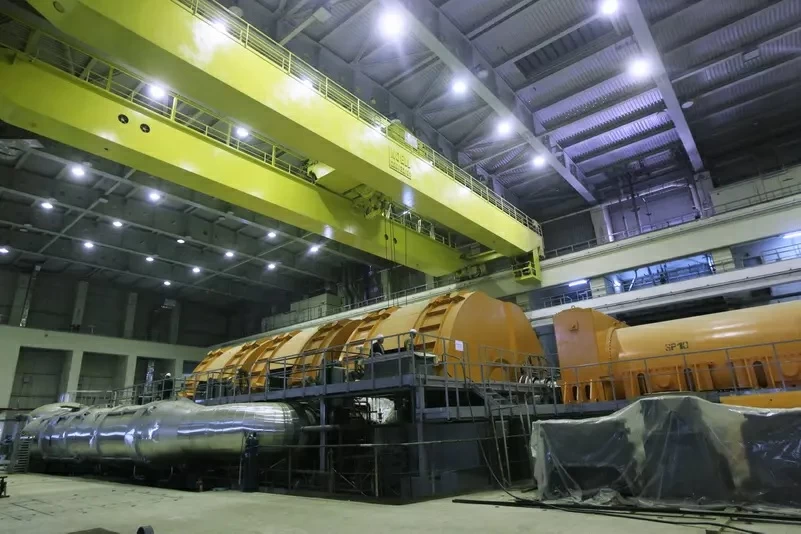
Through these airstrikes, Israel aims to inflict maximum damage on the Iranian nuclear program, focusing its strikes on steel factories and nuclear facilities in an attempt to revert the nuclear program to square one. Iranian authorities reported a new attack on the Bushehr nuclear facility, marking the third attack in ten days, as announced by the International Atomic Energy Agency (IAEA).
In this context, the agency confirmed that Iran reported the attack, noting that there were no damages to the operational reactor or any radiation emissions, and that the situation at the facility remains normal. An Israeli officer revealed that the air force has dropped approximately 15,000 munitions on Iranian targets since the war began, a number that could rise to over 25,000 munitions when accounting for US military strikes.
Background & Context
This escalation occurs amid rising tensions between Iran and Israel, with the latter considering the Iranian nuclear program a threat to national security. Relations between the two sides have significantly deteriorated in recent years, especially following the US withdrawal from the Iranian nuclear agreement in 2018.
Historically, Israel has always believed it has the right to take preemptive actions against any potential threats from Iran, as reflected in this military escalation. Iran, for its part, seeks to bolster its defensive capabilities and respond to any aggressions, complicating the situation in the region further.
Impact & Consequences
These airstrikes are expected to lead to greater escalation in the conflict between Iran and Israel and may open the door for military reactions from Tehran. The spokesperson for the Iranian armed forces, Brigadier General Abu Fazl Shakarji, warned that his country is strong and victorious on the battlefield, asserting that the victorious side is the one that sets the conditions for ending the war.
The Iranian National Security Committee emphasized that any attack on Kharq Island will be met with a painful response, indicating that Iran may be prepared to respond militarily to any new aggressions.
Regional Significance
The Houthi group has entered the war for the first time since its outbreak, with the military spokesperson for the group, Yahya Saree, announcing the launch of a missile at Israel. He confirmed that operations will continue until the declared objectives are achieved, further complicating the security situation in the region.
This military escalation could significantly impact regional security, potentially leading to heightened conflicts in other areas such as Lebanon, Iraq, and Palestine, threatening the overall stability of the region.