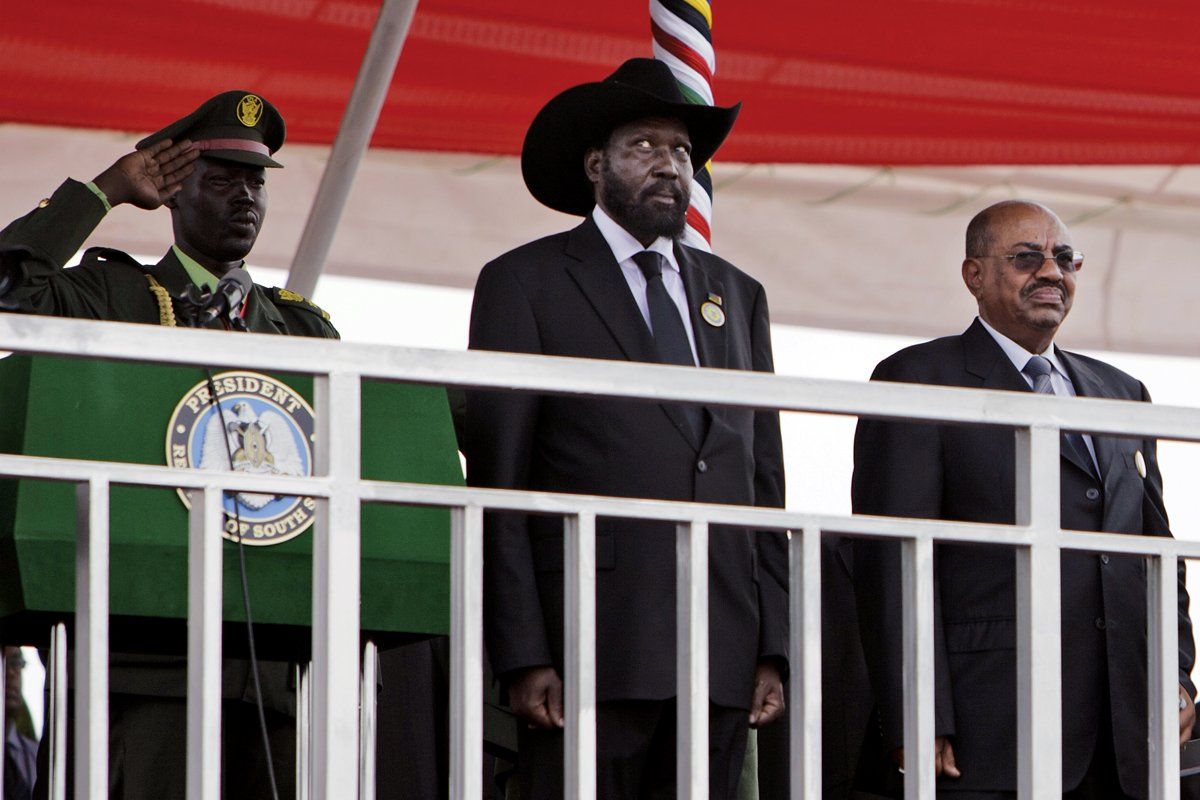
South Sudan is witnessing an escalating struggle for political power, where a sacred staff plays a central role in this conflict. This violent struggle reflects the deep-seated tensions among different factions in the country, threatening the stability of the entire region.
The sacred staff, believed to possess spiritual powers, has become a symbol of the struggle between competing groups. This symbol is used to bolster political loyalties, intensifying tensions and fueling armed conflicts.
Details of the Conflict
Recently, clashes have intensified between competing factions in South Sudan, as they vie for control over resources and influence. The sacred staff, considered a symbol of spiritual authority, is used as a tool to enhance loyalties among fighters, complicating the security situation in the country.
It is noteworthy that this conflict is not new; it is the result of decades of political and social tensions. As violence escalates, civilians in South Sudan face significant challenges, including displacement and loss of essential resources.
Background & Context
The Republic of South Sudan was established in 2011 after decades of conflict with Sudan, but it soon faced major challenges in building its political institutions. Tribal and political disputes led to the outbreak of a civil war in 2013, resulting in thousands of deaths and millions displaced.
Historically, the sacred staff has represented a symbol of spiritual authority in local communities, but its use in political conflicts has exacerbated the situation. This usage reflects how cultural and religious symbols can be exploited in political disputes.
Impact & Consequences
The conflict in South Sudan exemplifies how religion and culture influence politics. The use of the sacred staff as a symbol of conflict reflects the deep tensions among factions and complicates peace efforts. Furthermore, the ongoing violence threatens to worsen humanitarian conditions, necessitating international intervention.
Moreover, this conflict affects regional stability, as its impact can extend to neighboring countries. Instability in South Sudan could lead to an influx of refugees and increased tensions in the region.
Regional Significance
Considering the situation in South Sudan, this conflict could affect Arab interests in the region. The stability of South Sudan is deemed crucial for regional security, especially amid the challenges faced by other Arab nations. Additionally, conflicts in South Sudan may impact trade and the economy in the region.
In conclusion, the conflict in South Sudan illustrates how cultural and religious symbols can play a significant role in political disputes. The current situation requires urgent international response to ensure regional stability and protect civilians.