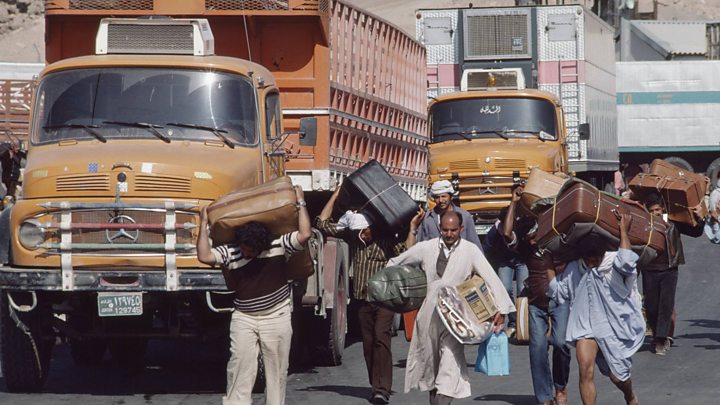
For the past fifteen years, Arab countries have been experiencing consecutive events that have exacerbated security, political, and economic crises. One of the most prominent of these events is the phenomenon of internal and external migration, which has begun to threaten the stability of many Arab nations, including Iraq, Syria, Lebanon, Sudan, Palestine, Libya, and Yemen. With the increase of this phenomenon, its effects are expected to extend to Gulf countries, which calls for urgent intervention to address it.
Internal and external migration is considered one of the most significant negative outcomes of the ongoing crises in the region, as the numbers of displaced persons and refugees have noticeably increased. According to reports from the United Nations, the number of displaced persons in Iraq and Syria alone is estimated to be in the millions, putting additional pressure on neighboring countries that host these refugees.
Details of the Event
Reports indicate that political crises and civil wars in the aforementioned countries have led to the spread of migration, as many seek to escape difficult living conditions and search for better opportunities in other countries. In Iraq, for instance, ongoing conflicts have caused a large number of residents to be displaced, while in Syria, the civil war has resulted in the largest refugee crisis in modern history.
In Lebanon, residents are suffering from a severe economic crisis, prompting many young people to leave the country in search of a better future. In Sudan, internal conflicts have worsened humanitarian conditions, increasing the number of displaced persons. In Palestine, ongoing political and economic pressures continue to drive residents to migrate.
Background & Context
Historically, migration has been part of the social and economic fabric of the Arab world, but current conditions differ radically. Wars and conflicts have led to the disintegration of communities and increased rates of poverty and unemployment, making migration the only option for many. Additionally, climate and economic changes play a role in increasing pressures on populations, further enhancing the migration phenomenon.
These conditions require a response from Arab countries, where governments must collaborate with international organizations to provide necessary support for displaced persons and refugees. Efforts should also focus on improving living conditions in crisis-affected countries to reduce the need for migration.
Impact & Consequences
The phenomenon of migration significantly impacts security and stability in the region. As the number of refugees increases, pressures on infrastructure and public services in host countries rise. This phenomenon may also lead to the escalation of social tensions between local populations and refugees, increasing the likelihood of conflicts.
Moreover, migration affects local economies, as it can lead to labor shortages in some sectors while putting pressure on resources in others. Therefore, addressing this phenomenon requires comprehensive strategies that consider economic, social, and political dimensions.
Regional Significance
Internal and external migration poses a threat to Arab national security, as it weakens the ability of countries to face common challenges. This phenomenon may also lead to the disintegration of national identity and increased division among communities. Thus, Arab cooperation is essential to confront these challenges.
In conclusion, there must be urgent action from Arab countries to address the migration phenomenon by improving living conditions and providing support for displaced persons and refugees. The challenges facing the region require a collective response to ensure the stability and security of Arab countries in the future.