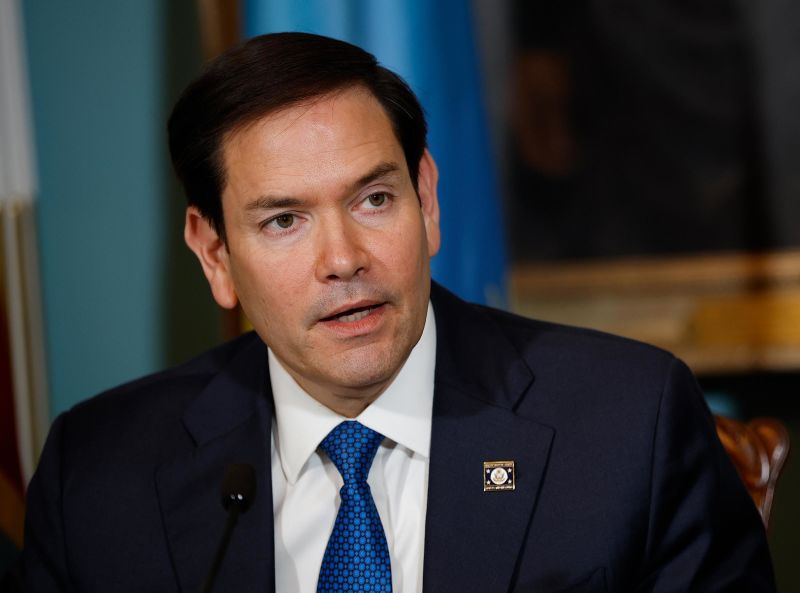
U.S. Senator Marco Rubio has revealed the existence of internal divisions within Iran, indicating that these rifts could significantly affect the stability of the Iranian regime. Rubio's statements come amid difficult circumstances in the country, which is suffering from severe economic crises and increasing political tensions.
These remarks coincide with a rise in popular protests in Iran, reflecting citizens' dissatisfaction with government policies. Rubio pointed out that these divisions could pave the way for radical changes within the regime, potentially altering the balance of power in the region.
Details of the Event
In his remarks, Rubio emphasized that there are signs of internal conflicts among various political factions in Iran, suggesting instability within the regime. He added that these divisions could be exploited by external forces to achieve their interests, complicating the situation in the country.
He also noted that the Iranian government faces significant challenges in managing economic crises, with inflation and unemployment rates rising sharply. These conditions could exacerbate popular protests, increasing pressure on the government.
Background & Context
Historically, Iran has experienced numerous political and economic crises, with the Iranian regime playing a significant role in creating these crises through its domestic and foreign policies. Since the Islamic Revolution in 1979, the regime has faced ongoing challenges from both internal and external sources, leading to heightened divisions among various political factions.
In recent years, popular protests against the regime have escalated, with citizens taking to the streets demanding improvements in economic and social conditions. These protests have been expressions of public dissatisfaction with corruption and mismanagement, intensifying divisions within the regime.
Impact & Consequences
The internal divisions in Iran are indicative of the regime's instability and could lead to significant political changes in the future. If these divisions persist, the country may witness internal conflicts that affect its political and economic stability.
Moreover, these conditions could impact Iran's relations with other countries, as some external powers may exploit these divisions to further their interests. These dynamics are likely to lead to changes in regional and international policies toward Iran.
Regional Significance
The situation in Iran directly affects security and stability in the Arab region. Iran is a key player in many regional conflicts, and any internal changes could influence the balance of power in the area.
If internal divisions in Iran continue, this could lead to changes in Iranian policies toward Arab countries, potentially increasing tensions in the region. Additionally, any political shift in Iran may reflect on its allies in the region, complicating the situation further.
In conclusion, the internal divisions in Iran remain an important issue that requires close monitoring, as they could lead to radical changes in the political system, affecting the stability of the entire region.