Over 40 countries have announced the formation of an international coalition aimed at securing the Strait of Hormuz, where the British Foreign Secretary confirmed that the coalition will utilize a comprehensive range of diplomatic and economic tools to ensure the strait remains open safely and sustainably. This announcement comes at a sensitive time following escalating tensions in the region, reflecting the strait's significance as one of the world's most vital maritime passages.
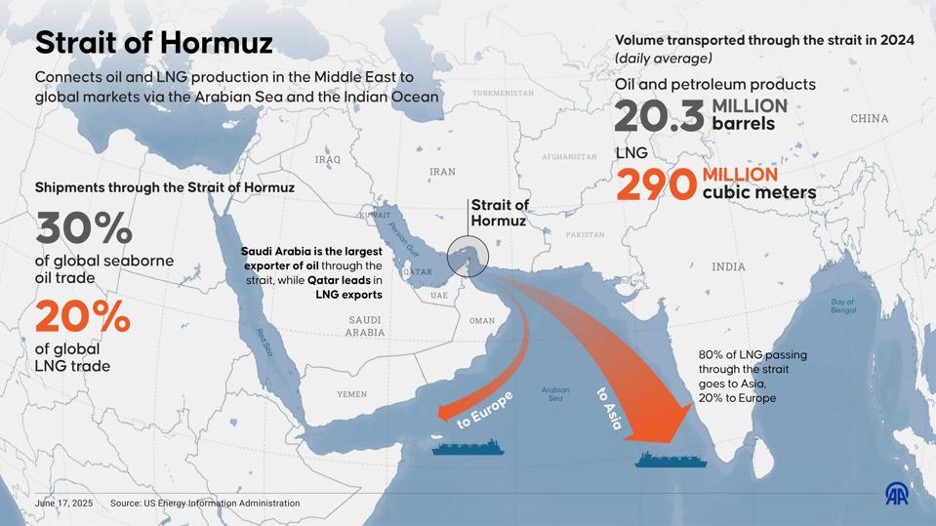
The Strait of Hormuz is a critical point for the transportation of oil and natural gas, with approximately 20% of the world's total oil supplies passing through it. The new coalition seeks to enhance maritime security in the region, ensuring the continued flow of vital supplies to global markets.
Details of the Coalition
The coalition formed includes countries from various continents and aims to achieve stability in a region that has witnessed increasing tensions in recent years. The British Foreign Secretary indicated that the coalition will work to enhance cooperation among member states and share intelligence to ensure safe navigation in the strait.
He also confirmed that the coalition will rely on a range of economic and diplomatic tools, including imposing sanctions on any entity that threatens the security of navigation in the strait. This move is part of broader international efforts to ensure the stability of global energy markets.
Background & Context
The Strait of Hormuz has a long history of political and military tensions, having witnessed numerous incidents that have affected maritime traffic. In recent years, tensions between Iran and the United States have escalated, leading to mutual threats regarding the security of navigation in the strait.
The establishment of this coalition comes after a series of maritime incidents that have impacted commercial vessels, prompting countries to take collective steps to ensure navigation safety. The new coalition represents a collective response to the security challenges facing the region.
Impact & Consequences
The formation of this coalition could have significant effects on global oil markets, as any threat to navigation in the Strait of Hormuz could lead to a sharp increase in oil prices. The coalition aims to reassure markets that supplies will remain secure, which may contribute to price stability.
Furthermore, this coalition could reshape the geopolitical dynamics in the region, potentially leading to increased cooperation among member states and strengthening their position against security threats. This collaboration may open new avenues for economic and political cooperation among countries.
Regional Significance
For Arab countries, securing the Strait of Hormuz represents a strategic importance, as many nations rely on this passage for exporting their oil. The new coalition could provide additional guarantees for Arab states, enhancing their economic stability.
Moreover, cooperation among member states in the coalition may contribute to strengthening regional security, potentially improving relations between Arab countries and other nations participating in the coalition. This collaboration could lead to greater stability in the region.