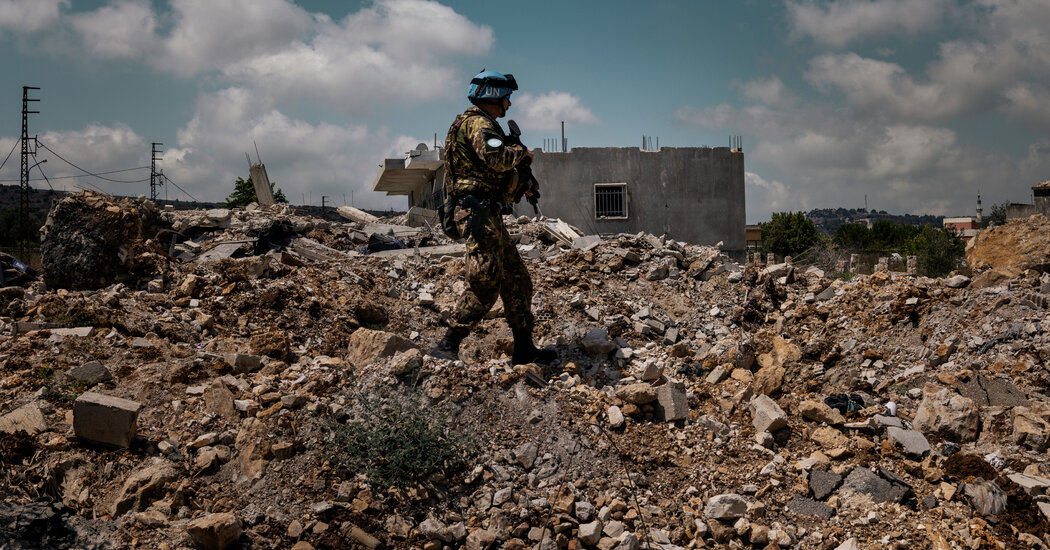
In a new escalation of tensions in the Middle East, the Indonesian Council on Global Affairs (ICWA) condemned the Israeli attacks targeting United Nations peacekeeping forces in Lebanon, which resulted in the deaths of three Indonesian personnel and injuries to three others. These attacks occurred on March 29 and 30, 2026, at a time when the conflict between Israel and Hezbollah in southern Lebanon is intensifying.
The council's president, Busyra Basnur, stated that these assaults represent a blatant violation of Lebanese sovereignty and the peace efforts undertaken by the United Nations. He expressed his condolences to the families of the victims, noting that the attacks reflect Israel's unwillingness to achieve peace in the region.
Details of the Incident
The attacks in Lebanon targeted UNIFIL forces, resulting in the deaths of: Captain TNI Inf. Zulmi Aditya Iskandar, Sergeant First TNI Muhammad Nur Ichwan, and Private TNI Farizal Rhomadhon. Additionally, three other personnel sustained serious injuries. Basnur pointed out that these incidents are merely part of a series of assaults threatening the safety and security of United Nations peacekeeping forces.
In a related context, ICWA expressed its support for the Indonesian government's position in calling for an emergency meeting of the United Nations Security Council to discuss these assaults. The council also endorsed a statement from United Nations Secretary-General Antonio Guterres, emphasizing the importance of investigating these incidents.
Background & Context
Historically, the Middle East has long been a hotspot for conflicts and disputes, where political and religious interests intersect. The conflict between Israel and Hezbollah dates back decades and has seen the region experience numerous wars and clashes. UNIFIL has been deployed in Lebanon since 1978 with the aim of maintaining peace and stability, but it has faced significant challenges due to rising violence and tensions among various parties.
The recent attacks come at a sensitive time, as international pressure on Israel is increasing to comply with international laws and respect human rights. The situation in Lebanon is complex, with the country suffering from severe economic and political crises, further exacerbating tensions in the region.
Impact & Consequences
The Israeli attacks on peacekeeping forces could lead to a greater escalation of the conflict, potentially pushing UN member states to adopt harsher stances towards Israel. Furthermore, these incidents may affect peace efforts in the region, as calls for reassessing strategies in dealing with the conflict are growing.
These events are expected to provoke strong reactions from Islamic and Arab nations, which may call for actions against Israel in international forums. Additionally, these attacks could impact Israel's image globally, as criticisms of its military policies are on the rise.
Regional Significance
The recent events in Lebanon are part of the larger picture of the conflict in the Middle East, where many Arab countries are suffering from the repercussions of ongoing disputes. The situation in Lebanon affects regional security and could lead to an influx of refugees and increased tensions among neighboring countries.
Moreover, these events highlight the urgent need for genuine diplomatic efforts to achieve peace and stability in the region. Arab nations must unite and work together to support Lebanon in facing the challenges it encounters and to promote dialogue among the various parties involved.