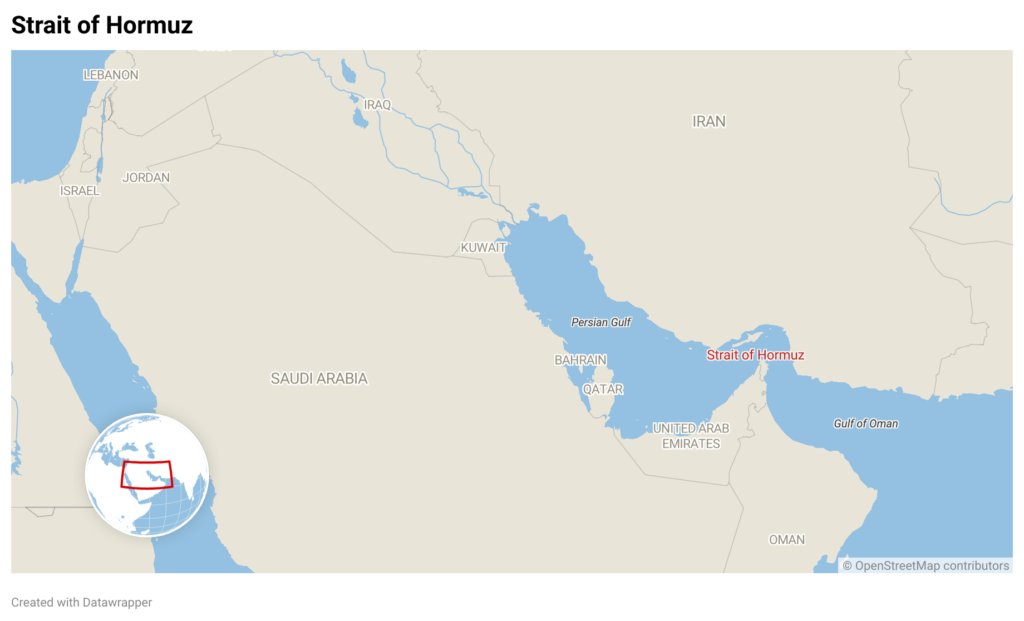
The United Kingdom convened an international meeting in the capital, London, where representatives from over 30 countries gathered to discuss ways to reopen the Strait of Hormuz, which is considered one of the most important waterways in the world. This meeting occurs at a sensitive time, as tensions in the region are escalating, directly affecting maritime navigation and global trade.
The Strait of Hormuz is a critical transit point for oil and natural gas, with approximately 20% of the world's total oil passing through it. Any disruption in navigation here poses a significant threat to the global economy, making it essential to take effective steps to ensure the safety of navigation in this strategic area.
Event Details
The London meeting witnessed broad participation from various countries, addressing issues related to maritime security and international cooperation to ensure freedom of navigation. The importance of collective action to face the challenges confronting the region was emphasized, including potential threats from armed groups or regional conflicts.
Ways to enhance cooperation among participating countries were also discussed, including the exchange of intelligence to ensure the safety of commercial vessels. Many participants expressed their concerns regarding the military escalation in the region and stressed the necessity of dialogue as a means to resolve conflicts.
Background & Context
The Strait of Hormuz has a long history of political and military tensions. In recent years, the region has seen an escalation in conflicts between Iran and Western countries, leading to repeated threats to close the strait. In 2019, several oil tankers were attacked in the area, raising international concerns about navigation safety.
Historically, there have been multiple attempts to enhance security in the Strait of Hormuz, including forming military alliances to protect commercial vessels. However, ongoing tensions make it challenging to achieve lasting stability in the region.
Impact & Consequences
If the meeting succeeds in achieving its objectives, it could lead to improved security in the Strait of Hormuz, positively reflecting on global trade movements. Conversely, if tensions persist, we may witness negative impacts on oil prices and global financial markets.
Moreover, enhancing cooperation among participating countries may contribute to building trust, potentially leading to a reduction in future conflicts. However, the greatest challenge remains how to deal with regional powers that may seek to disrupt these efforts.
Regional Significance
The Arabian Gulf region holds significant strategic importance, as many Arab countries rely on oil and gas exports through the Strait of Hormuz. Any escalation in tensions could directly impact Arab economies, necessitating enhanced cooperation among Arab nations to ensure navigation safety.
In this context, Arab countries must be part of the international dialogue on maritime security and strive to enhance their role in ensuring regional stability. Stability in the Strait of Hormuz means greater stability for the Arab economy as a whole.