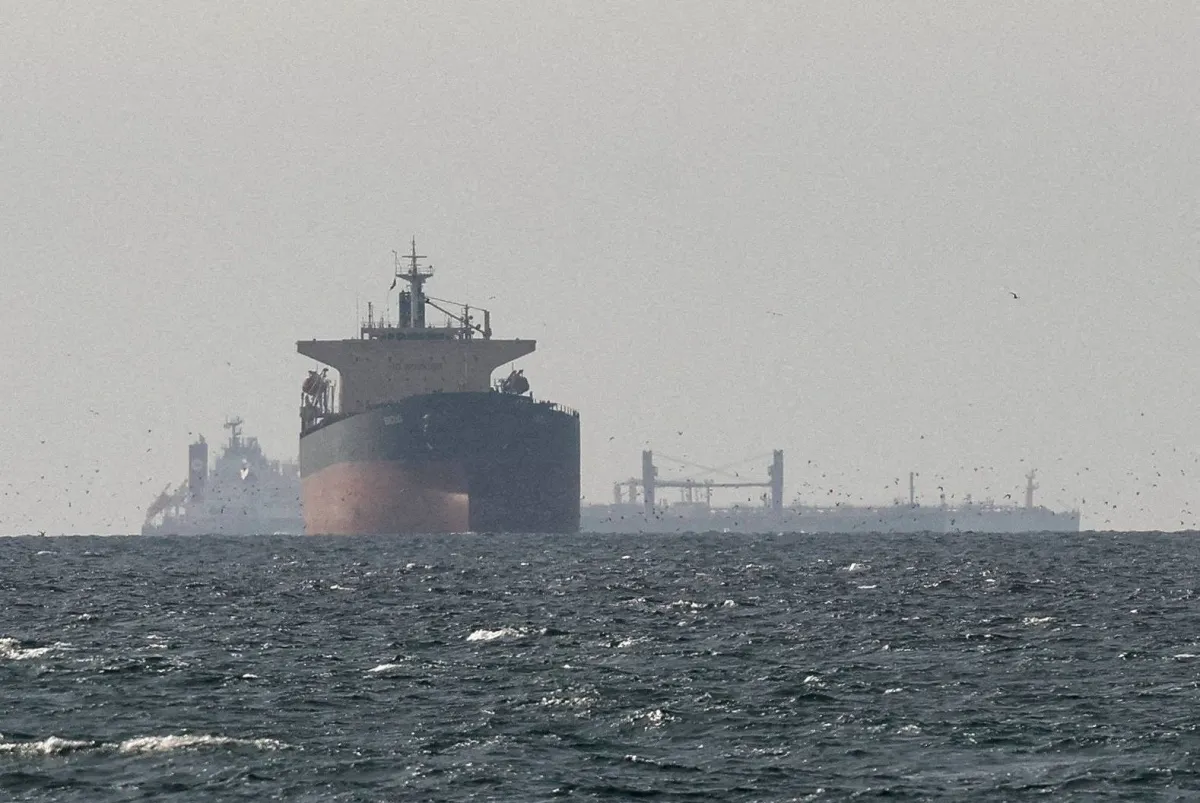
The world is focused on talks led by Britain and France, involving around 30 countries, aimed at forming a coalition to reopen the Strait of Hormuz, which Iran has closed since the onset of regional conflict.
A British defense official told the French Press Agency that the meeting scheduled for this week is part of international efforts to ensure safe passage through the vital strait, which is a key transit point for global oil supplies.
Details of the Event
Last week, Britain, France, Germany, Italy, Japan, and the Netherlands announced their readiness to contribute to ensuring safe passage through the Strait of Hormuz, which received support from 24 other countries. Another military meeting is expected to take place later this week among the defense chiefs of the participating countries.
The Times reported that the Chief of the British Armed Forces, Richard Knighton, chaired a meeting of the first six countries, along with Canada, last Sunday. The British official indicated that there is a possibility of inviting other countries to join this coalition.
The official confirmed that the United Kingdom recognizes its role in forming this coalition and leading global efforts to devise a plan to reopen the strait as soon as possible. Knighton is also working closely with his French counterpart, Fabien Mandon.
Context and Background
These discussions come at a sensitive time, as tensions in the region have escalated following the outbreak of war in the Middle East, leading to the closure of the Strait of Hormuz, which has negatively impacted global energy supplies. Iran considers this strait part of its sovereignty and has expressed its willingness to negotiate a ceasefire, emphasizing the need for compensation and guarantees against any new war.
In this context, Iran announced through state television its plan, which includes stopping the assassination of its officials and measures to ensure that no further war is waged against it, in addition to exercising its sovereignty over the Strait of Hormuz. However, the United States is expected to reject these proposals, particularly regarding compensation and continued Iranian control over the strait.
Implications and Effects
Many countries expect these talks to lead to the formation of a strong coalition capable of influencing maritime navigation in the region. As international pressure on Iran increases, the dynamics of the conflict in the Middle East may change, opening the door for new negotiations.
These developments could also directly affect global oil prices, as the Strait of Hormuz is a vital transit point for transporting oil from Gulf countries to global markets. Any closure or tension in this area could lead to rising oil prices, impacting the global economy.
Impact on the Arab Region
These discussions are of particular importance to Arab countries, as any change in the security situation in the Strait of Hormuz will affect all countries in the region. If the coalition succeeds in reopening the strait, it will contribute to stabilizing oil markets and enhancing regional security.
Furthermore, these events may prompt Arab countries to reassess their security and military strategies, especially amid increasing tensions with Iran. It is crucial for Arab nations to remain united in facing the challenges that may arise from these discussions.
In conclusion, all eyes remain fixed on the outcomes of these talks, as any agreement could change the course of events in the region and impact global security and economy.