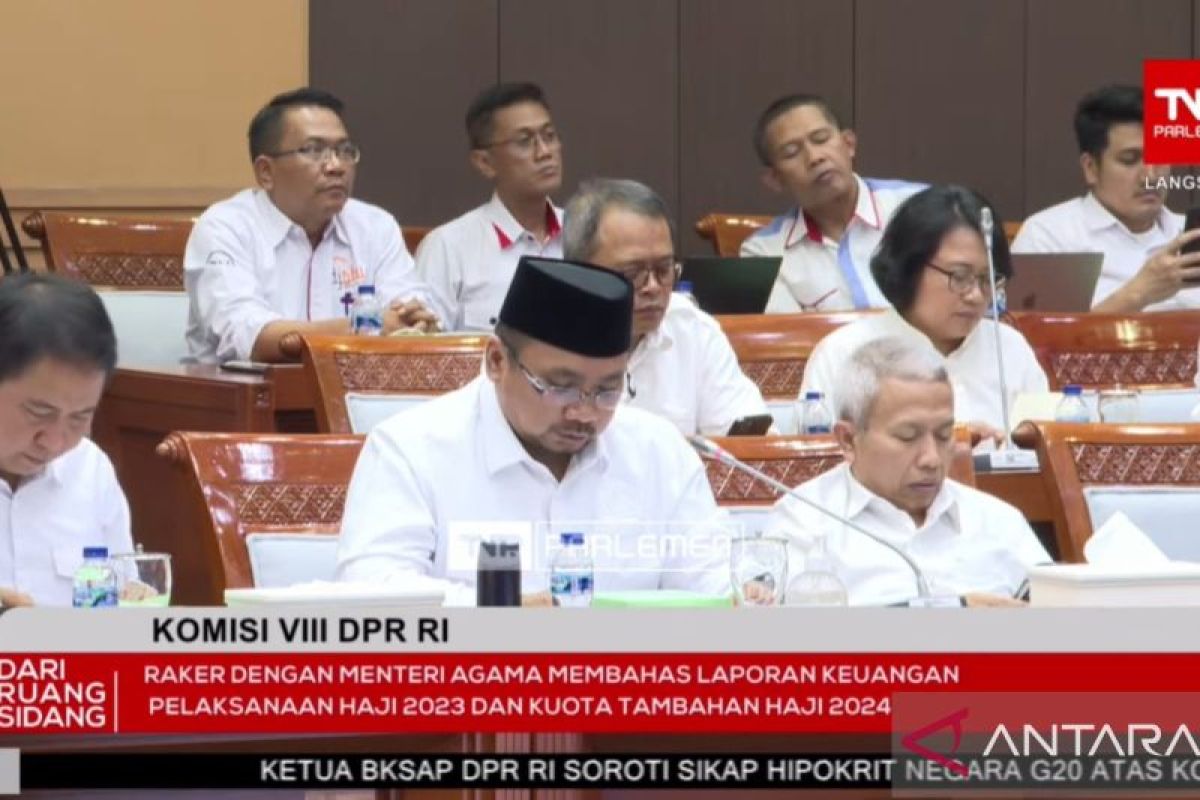
The Indonesian Corruption Eradication Commission (KPK) is actively investigating the distribution of special Hajj quotas, with Kristi Maharani Handayani, the director of PT Al Aqsha Jisru Dakwah, being questioned on April 7, 2026. This step is part of ongoing investigations into the mechanism for distributing additional Hajj quotas, which has sparked widespread controversy in the country.
KPK spokesperson Budi Prasetyo stated that the interrogation focuses on how the special Hajj quotas, obtained from additional allocations, were distributed. He also noted that several other officials, including directors from various Hajj companies, have been summoned for questioning in the same case.
Details of the Investigation
While KPK investigates corruption related to Hajj quotas, several prominent figures in this field have been interrogated. Among them are Agas Khaira Muti Henana Sri Agung Nurhayati, the director of PT Agas, and Ong Abdul Fattah, the executive director of PT Al Amin Mulia Lestari. However, some invited individuals did not attend, leading to postponements of the interrogation sessions.
The roots of this case trace back to August 2025, when KPK began investigating allegations of corruption concerning Hajj quotas for 2023 and 2024. In January 2026, it was announced that Yaqut Sholi Qoumas, the former Minister of Religious Affairs, and Ishfah Abid Aziz, one of his aides, were arrested as suspects in this case.
Background & Context
The corruption case surrounding Hajj quotas in Indonesia is considered one of the largest scandals the country has faced in recent years. Financial losses resulting from this case are estimated at around 622 billion rupiah, according to KPK reports. This issue has elicited strong reactions from civil society, which has called for greater transparency and accountability in managing Hajj affairs.
Historically, the management of Hajj in Indonesia has been a contentious topic, with several corruption cases reported in past years. However, this case stands out as it involves prominent government figures and companies specializing in organizing Hajj.
Impact & Consequences
The ramifications of this case could be far-reaching, as it is expected to affect citizens' trust in the government and the Hajj management system. Furthermore, the continuation of investigations may lead to changes in policies related to Hajj organization, potentially enhancing transparency and accountability.
Moreover, this case may pave the way for further investigations into corruption in other sectors, reflecting the Indonesian government's commitment to combating corruption.
Regional Significance
The corruption case regarding Hajj quotas in Indonesia holds particular importance for Arab countries, as Hajj is one of the fundamental pillars of Islam. Any corruption in Hajj organization can impact millions of Muslims seeking to fulfill this obligation. Additionally, this case may prompt Arab nations to review their policies and procedures related to Hajj organization to ensure such incidents do not recur.
In conclusion, the Hajj quota issue in Indonesia exemplifies the challenges governments face in combating corruption, highlighting the importance of transparency in managing public affairs.