The Indonesian Corruption Eradication Commission (KPK) is investigating a financial corruption case related to budget cuts that occurred during the tenure of Albertinias Barlinguman Napitupulu as the head of the Public Prosecutor's Office in the Holo Sungai Utara region. These investigations are part of the commission's efforts to combat corruption and enhance transparency in government institutions.
In this case, Agenta Harris Saputra, the prosecutor at the Public Prosecutor's Office in Holo Sungai Utara, was questioned, focusing on the details of the financial cuts that took place within the institution. KPK spokesperson Budhi Prastio confirmed that the investigations aim to gather the necessary evidence and testimonies to support the case.
Details of the Incident
The investigations follow an arrest operation conducted on December 18, 2025, during which the KPK apprehended six individuals, including Napitupulu and the head of the intelligence department at the Public Prosecutor's Office. A significant amount of money, amounting to hundreds of millions of rupiah, was seized during this operation, highlighting the potential scale of corruption in this case.
During the investigations, several other witnesses were summoned, including employees from the civil and administrative affairs department of the Public Prosecutor's Office. However, two of them did not respond to the KPK's summons, necessitating the rescheduling of their questioning.
Background & Context
Corruption cases in Indonesia are complex issues that affect the government's reputation and citizens' trust. In recent years, the country has witnessed numerous scandals leading to the arrest of several government officials. The KPK seeks to strengthen its efforts to combat corruption through ongoing investigations and bringing perpetrators to justice.
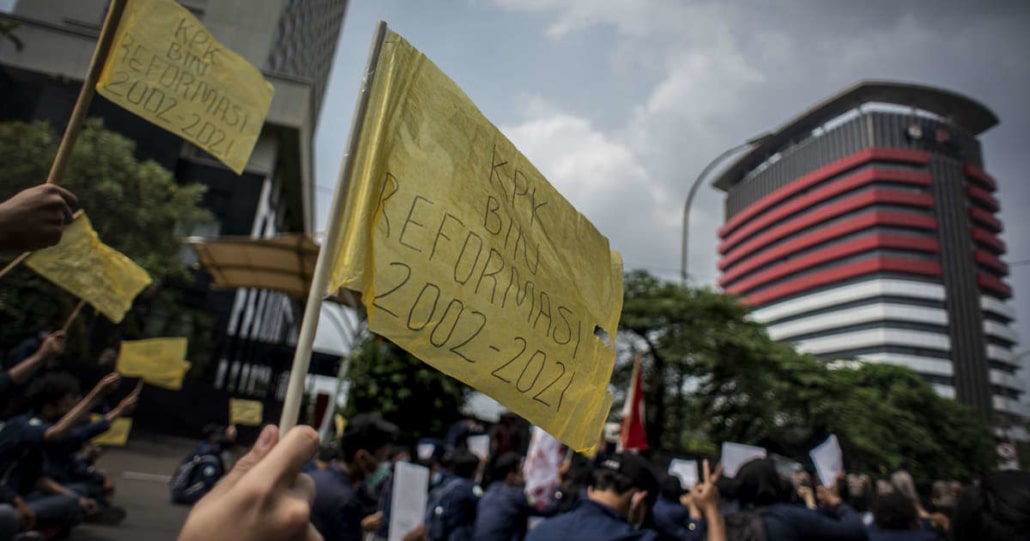
Historically, Indonesia has faced high levels of corruption, impacting economic and social development. The KPK was established in 2002 as part of the government's efforts to combat this phenomenon and has achieved notable successes in various cases.
Impact & Consequences
The ramifications of this case extend beyond legal dimensions, raising widespread concerns about the integrity of government institutions in Indonesia. If the allegations are proven true, it could lead to a loss of trust in the judicial system and increase pressure on the government to improve transparency and accountability.
This case may also affect foreign investments in the country, as investors seek a corruption-free business environment. Therefore, effectively addressing these issues could be crucial to restoring confidence in the Indonesian economy.
Regional Significance
Corruption issues are also a concern for many Arab countries, some of which suffer from high levels of corruption in their government institutions. Indonesia's experience in combating corruption could serve as a model for Arab nations aiming to enhance transparency and accountability.
Strengthening cooperation between Arab countries and Indonesia in the field of anti-corruption could facilitate the exchange of experiences and improve public policies, benefiting all parties involved.