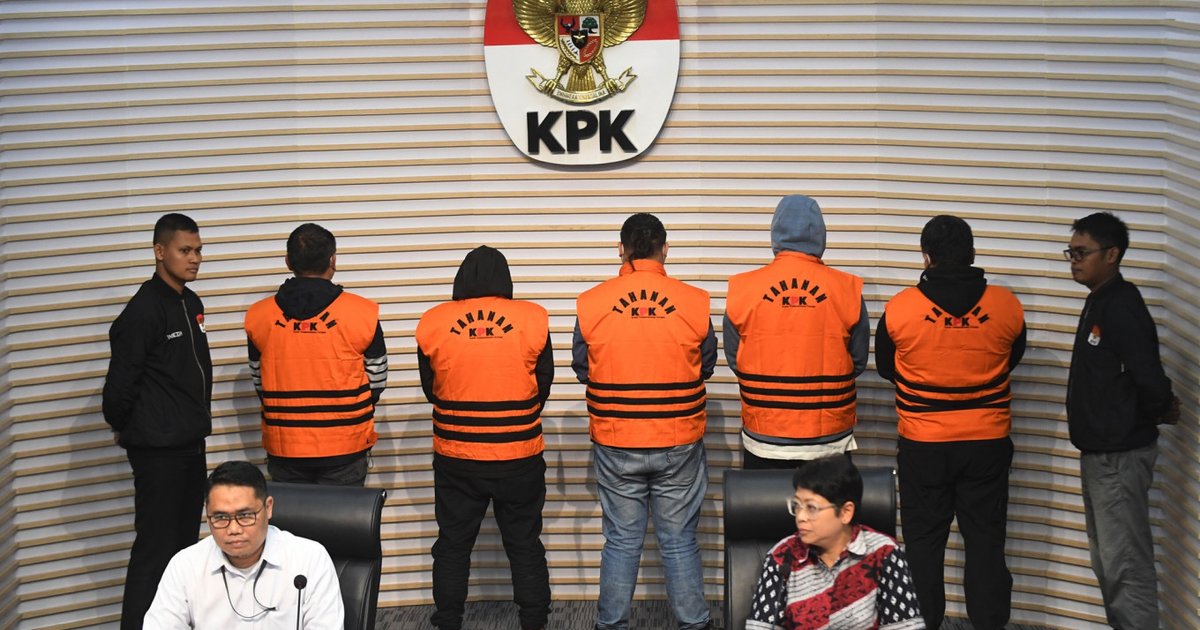
The Indonesian Corruption Eradication Commission (KPK) is conducting extensive investigations into a corruption case involving tax manipulation at the North Jakarta tax office, where key witnesses have been summoned. On April 7, 2026, two witnesses, Utik Hermanngsieh, a private employee, and Siti Wahyunin, a housewife, were interrogated as part of the commission's efforts to trace the assets of the accused.
KPK spokesperson Budi Prastiwa stated that the investigations aim to identify the financial assets associated with the defendants in the case, emphasizing the importance of this step in combating corruption and enhancing transparency in the tax system.
Details of the Case
The case involves investigations into tax manipulations that occurred between 2021 and 2026, revealing illegal activities related to tax reductions imposed on companies. The spokesperson noted that KPK is also investigating the role of the team responsible for examining property taxes for Wanitara Persada company.
On January 9, 2026, KPK conducted a surprise operation that resulted in the arrest of eight individuals, including government officials and representatives from private companies. Five of them have been identified as key defendants in the case, including the head of the North Jakarta tax office, Dwi Budi, who faces allegations of receiving bribes amounting to 4 billion Indonesian rupiah.
Background & Context
Corruption cases in Indonesia are sensitive issues that impact public trust in the government. Over the years, the country has witnessed numerous scandals leading to resignations and dismissals of high-ranking government officials. This investigation comes at a critical time as the Indonesian government seeks to bolster its efforts in fighting corruption and improving the country's image on the international stage.
Historically, Indonesia has struggled with high levels of corruption, negatively affecting economic and social development. Reports have shown that corruption costs the country billions of dollars annually, hindering progress and widening the economic gap between social classes.
Impact & Consequences
Analysts suggest that this case could lead to radical changes in how the tax system is managed in Indonesia. If the allegations are proven, it may result in a comprehensive restructuring of the tax office, contributing to enhanced transparency and accountability. Additionally, this case could encourage legal actions against corruption in other sectors.
Moreover, KPK's success in this case may boost citizens' trust in government institutions, potentially leading to increased tax compliance and improved government revenues. Conversely, failure to address this case could exacerbate feelings of frustration among citizens and increase doubts about the government's effectiveness in combating corruption.
Regional Significance
Corruption issues are also among the major challenges facing many Arab countries. Similar to Indonesia, some Arab nations suffer from high levels of corruption, impacting economic and social development. Indonesia's experience in combating corruption could serve as a model for Arab countries seeking to enhance their governmental systems and promote transparency.
Ultimately, this case represents an opportunity to reconsider how public financial affairs are managed, both in Indonesia and in Arab nations. Strengthening transparency and accountability can have a positive impact on sustainable development and social justice.