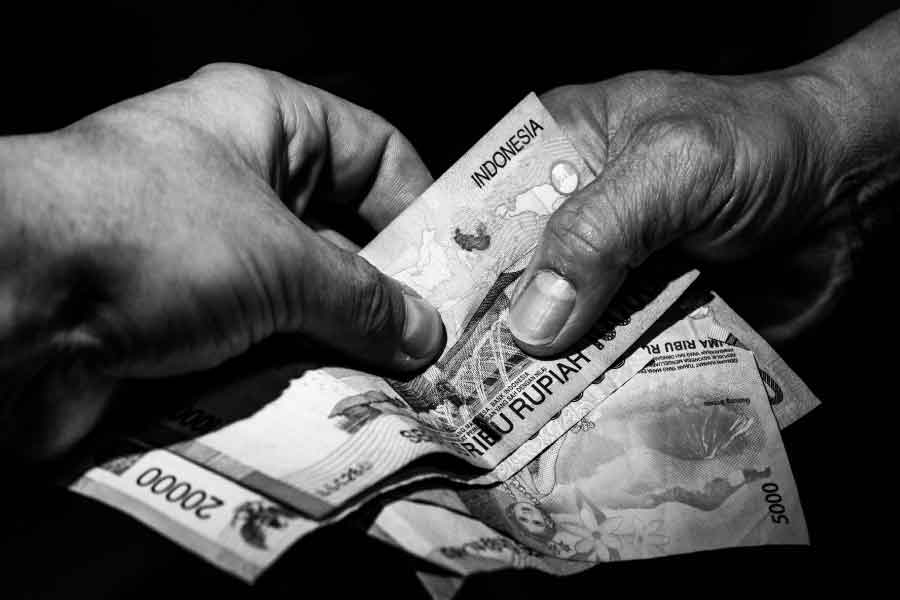
The Indonesian Corruption Eradication Commission (KPK) has initiated investigations involving a well-known businessman in the tobacco industry, identified by the initials LEH, as part of a corruption case concerning tax and customs management. LEH has been summoned as a witness in the investigations focusing on how taxes imposed on tobacco products are managed in Indonesia.
In a statement to reporters, KPK spokesperson Budi Prasetyo confirmed that the commission aims to gather information about the procedures followed by businessmen in dealing with customs management. LEH has been called to testify regarding the operations and procedures he follows in this field.
Details of the Event
These investigations come after a series of operations conducted by the KPK, which executed a surprise arrest on February 4, 2026, at the customs office, resulting in the detention of several officials, including Rizal, the head of the customs office in West Sumatra. It has been announced that six out of the seventeen individuals arrested have been identified as suspects in cases related to bribery and corruption.
This case also involves other officials in the customs department, such as Sesbrian Subiyaksuno, head of the intelligence division, and Orlando Hamonang, head of customs intelligence. Additionally, several businessmen linked to import operations have been arrested, indicating a widespread network of corruption within this sector.
Background & Context
Historically, Indonesia has suffered from widespread corruption issues, particularly in government sectors. These issues have impacted the national economy and investor confidence in the Indonesian market. The customs management sector is considered one of the most susceptible to corruption, as it deals with large sums of money and taxes imposed on imported goods.
In recent years, the Indonesian government has made significant efforts to combat corruption, including enhancing the role of the KPK and expanding its powers. However, challenges remain, as corruption cases continue to emerge, raising concerns about the effectiveness of the measures taken.
Impact & Consequences
This case serves as a wake-up call for Indonesian authorities, highlighting the urgent need to enhance transparency and accountability in customs management. Furthermore, these investigations may lead to changes in government policies aimed at combating corruption, which could positively affect the business climate in the country.
It is expected that this case will increase pressure on the government to improve oversight and monitoring procedures in sensitive sectors, potentially contributing to restoring trust in the Indonesian economic system.
Regional Significance
Corruption cases in Indonesia exemplify the challenges faced by many countries in the Arab region. Some Arab nations are grappling with similar issues related to corruption in government sectors, affecting economic development and investment. Arab countries could benefit from Indonesian experiences in combating corruption and enhancing transparency.
In conclusion, the corruption case in Indonesia remains a significant issue that requires ongoing attention from authorities and civil society, as combating corruption is not solely a governmental responsibility but necessitates the concerted efforts of all segments of society.