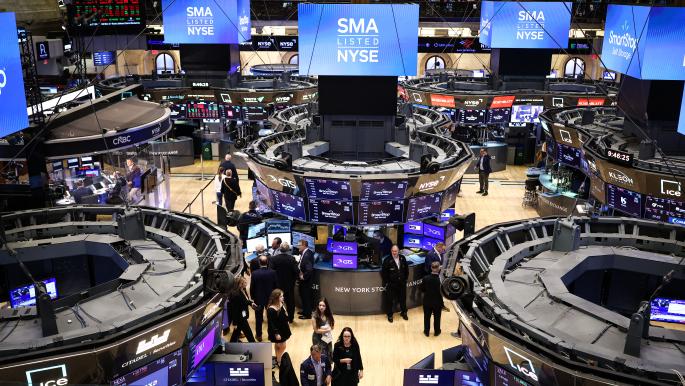
Increasing concerns arise over abnormal movements in global financial markets due to the rapid developments of war in the region. Reports indicate that some investors are profiting from these fluctuations, raising ethical questions about such investments.
Data shows that certain stocks and bonds have experienced significant increases in value, while others have sharply declined. These fluctuations provide opportunities for some investors known as "war whales" to take advantage of the unstable conditions, causing concern among traders and small investors.
Details of the Event
As conflicts escalate in the region, global financial markets are witnessing unexpected movements. Reports have shown that some major companies and individual investors are making substantial profits by buying and selling financial assets during peak times. This phenomenon raises questions about whether these movements reflect well-thought-out investment strategies or exploitation of the crisis.
Moreover, research indicates that some hedge funds have increased their investments in certain markets, reflecting positive expectations towards some economic sectors despite political crises. These dynamics contribute to deepening the gap between large and small investors, as the latter find themselves in a difficult position amid market volatility.
Background & Context
Historically, wars and conflicts have significantly impacted financial markets. In many cases, markets have experienced sharp rises and falls due to geopolitical events. This pattern is repeating today, as markets are affected by developments in the war in the region, creating an unstable environment for investors.
In recent years, it has become evident that some investors exploit crises for quick gains. This phenomenon is not new but has noticeably increased under current conditions, raising questions about the long-term impact of these strategies on the global economy.
Impact & Consequences
The implications of these financial movements extend beyond mere profits and losses. Market fluctuations affect public confidence in the financial system, which may lead to a decline in both foreign and domestic investments. Additionally, these phenomena could increase pressure on governments to provide greater support for the local economy.
Furthermore, these dynamics may exacerbate economic crises in countries affected by conflicts, where citizens face rising living costs and declining job opportunities. These factors could worsen social and political conditions in the region.
Regional Significance
The Arab region is among the most affected by geopolitical developments, where wars and conflicts play a pivotal role in shaping the economic landscape. Under these circumstances, Arab governments must take proactive steps to protect their economies from global fluctuations.
It is crucial for Arab countries to devise effective strategies to address these challenges, including enhancing transparency in financial markets and providing support for small investors. There should also be efforts to strengthen regional cooperation to mitigate the effects of economic crises.
In conclusion, global financial markets remain under significant pressure due to the rapid developments in the region. Investors and analysts must closely monitor these movements to understand the true dimensions of the crisis and its impact on the global economy.