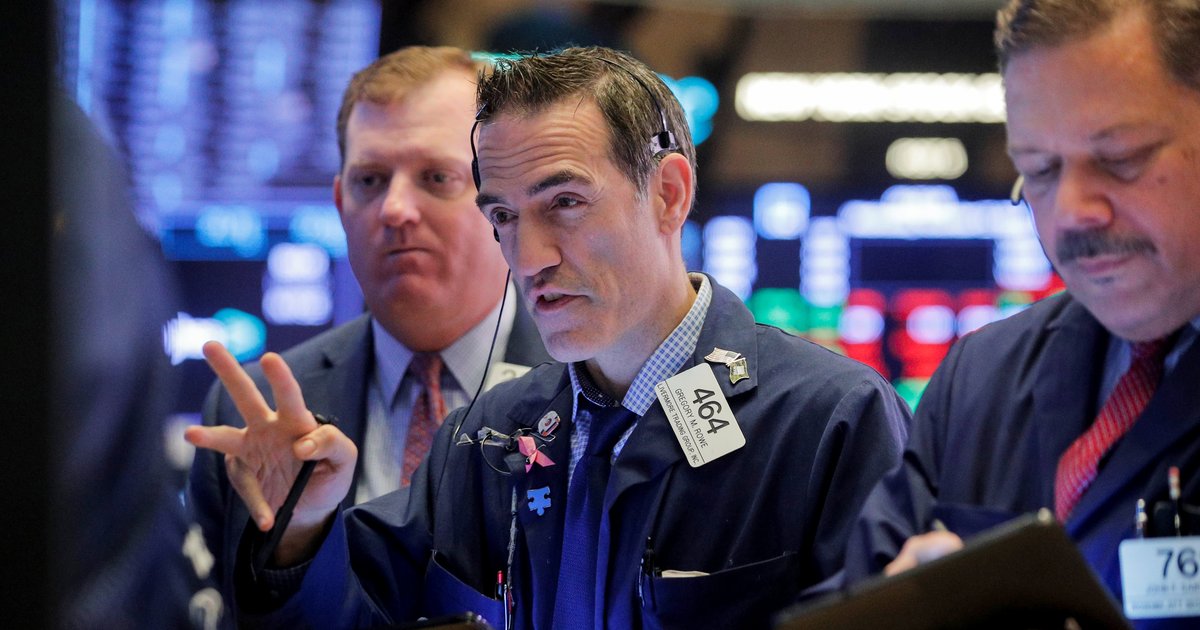
Amid the escalating tensions in the Middle East, particularly the ongoing war in Iran, investors are showing a trend towards buying stocks rather than selling in a panic. Matt Miskin, co-investment strategist at Manulife John Hancock, confirmed that investors are capitalizing on market downturns as opportunities to bolster their investment portfolios.
These remarks come at a time when the market is experiencing notable volatility, with investors seeking to take advantage of available opportunities instead of succumbing to feelings of anxiety and fear. Miskin pointed out that this strategy reflects investors' confidence in the market's ability to recover in the long term.
Details of the Situation
Financial markets are under increasing pressure due to tense geopolitical conditions, especially with the escalation of conflict in Iran and its potential impact on the global economy. However, it appears that investors are adopting a more optimistic approach, viewing current declines as buying opportunities.
Reports indicate that many institutional and individual investors prefer to buy during downturns, reflecting a long-term investment strategy aimed at achieving sustainable returns. This trend also demonstrates a deep understanding of market cycles and how to navigate volatility.
Background & Context
Historically, financial markets have faced numerous crises that led to sharp declines in prices, but they quickly recovered. For instance, during past financial crises, there were always investors who turned to buying in tough times, helping to accelerate recovery. These investment strategies require a long-term vision and a willingness to take risks.
The war in Iran is not new, but it comes at a sensitive time as tensions in the region escalate. These conditions may affect oil prices and financial markets in general, making investors more cautious. Nevertheless, the strategies currently adopted by investors indicate their desire to capitalize on opportunities rather than withdraw.
Impact & Consequences
These strategies could enhance stability in financial markets in the long run, as buying during downturns supports prices. This could have a positive impact on the economy as a whole, helping to boost confidence among investors.
Moreover, these strategies may lead to increased liquidity in the markets, facilitating buying and selling operations. However, investors must remain cautious of potential risks arising from geopolitical tensions.
Regional Significance
Arab markets are directly affected by developments in Iran, as any escalation in conflict could impact economic stability in the region. However, the trend towards buying during times of tension may also reflect Arab investors' desire to strengthen their investments in local markets.
Ultimately, the question remains about how these strategies will affect Arab markets and how investors can take advantage of available opportunities under current conditions.