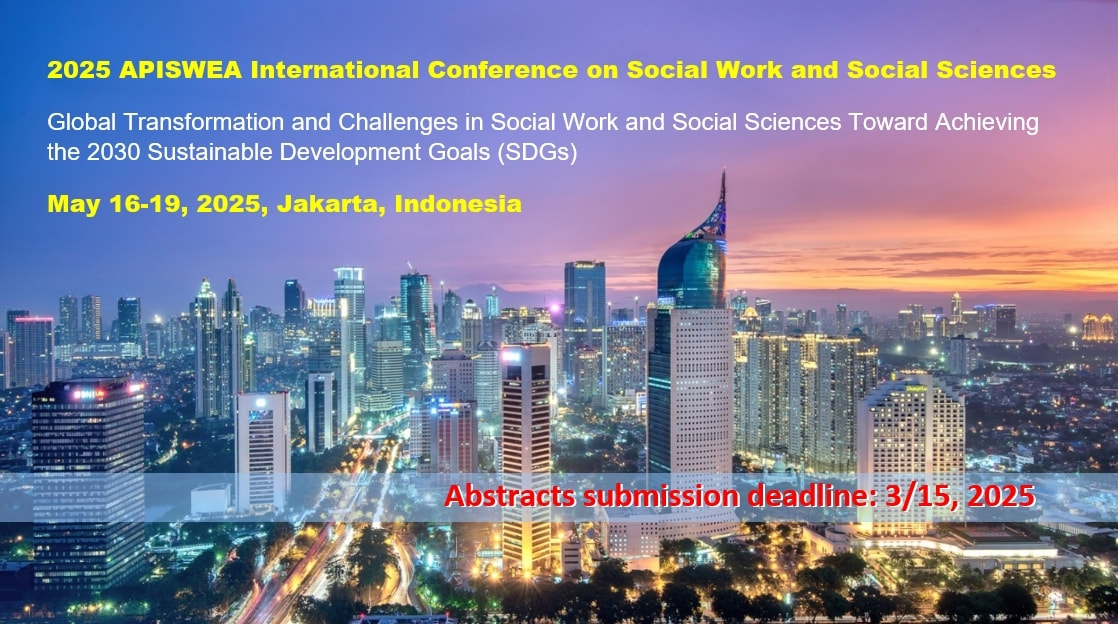
In a move aimed at promoting sustainable development in Indonesia's capital, Jakarta, Secretary of the Jakarta Government, Os Kuswanto, underscored the significance of integrating local community proposals into the formulation of the 2027 development plan. This statement was made during the opening of the 2026 Regional Planning Conference, where he pointed out the necessity of considering developmental performance across different regions.
Kuswanto explained that planning must take into account the economic and social gaps between various areas, especially in light of the challenges Jakarta faces, such as poverty and unemployment. He emphasized the importance of adopting a region-focused approach to ensure equitable distribution of development throughout the capital.
Event Details
During the conference, reports prepared by mayors regarding the outcomes of local planning consultations were presented. These reports were compiled through citizen proposals and verified at various levels, starting from neighborhoods to municipalities. Kuswanto noted that the upcoming development plan must include an effective response to citizens' demands, reflecting their true needs.
He also called on all government entities to work on implementing the proposals collected during the conference, stressing that these proposals should be part of the planning process for 2027.
Background & Context
Jakarta is considered one of the largest capitals in the world and faces significant challenges related to rapid population growth, traffic congestion, and pollution. Historically, the city has undergone substantial transformations in its infrastructure and the needs of its residents, necessitating comprehensive development strategies. Since 2017, a framework for regional development has been established, aiming to improve the quality of life in the city.
The medium-term development plan (RPJMD) for Jakarta from 2025 to 2029 includes clear objectives related to improving living standards and reducing developmental gaps between different regions. This direction reflects the government's desire to achieve balanced and inclusive development.
Impact & Consequences
This initiative is crucial not only for improving living conditions in Jakarta but also for enhancing transparency and community participation in decision-making. By involving citizens in the planning process, the government can ensure that development policies are more aligned with the needs of the population.
Moreover, the success of these initiatives could serve as a model for other countries in the region facing similar challenges, where community participation can contribute to the effectiveness of public policies.
Regional Significance
The importance of this news for the Arab region lies in promoting the concept of community participation in the decision-making process. Many Arab countries face similar developmental challenges and could benefit from successful experiences in Jakarta.
Enhancing transparency and participation can improve relationships between governments and citizens, thereby fostering stability and sustainable development in the region.
In conclusion, the 2027 development plan in Jakarta represents a significant step towards achieving sustainable development, highlighting the importance of community involvement in shaping policies that affect their daily lives.