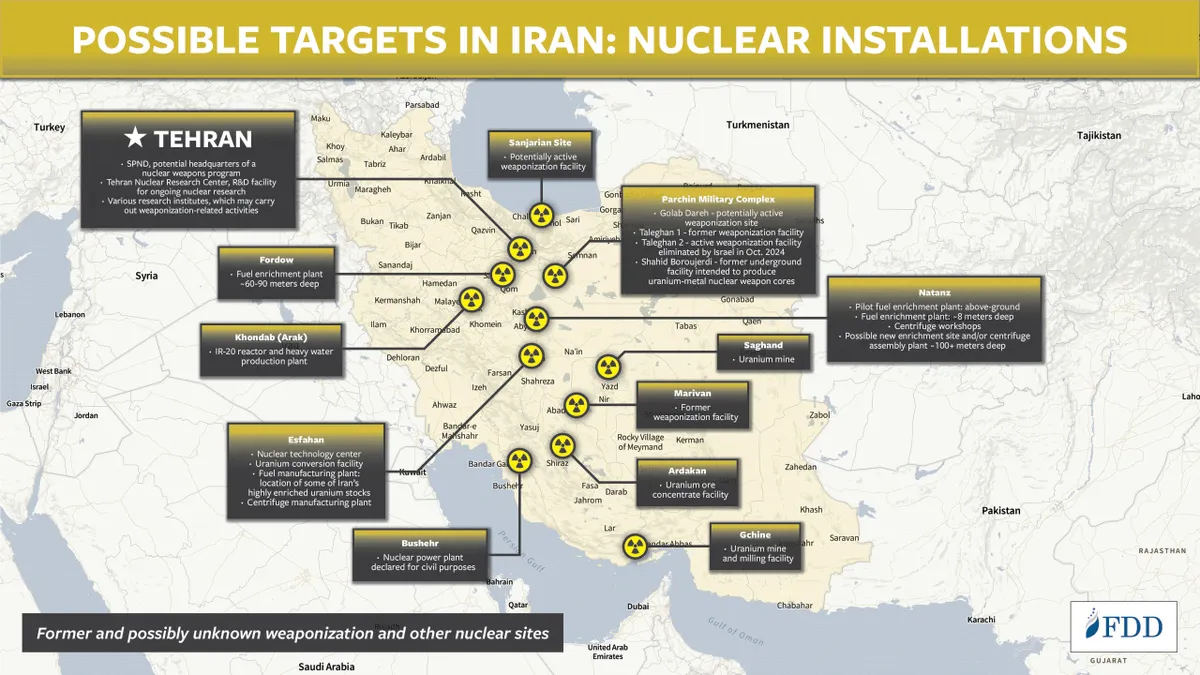
Iran has accused the International Atomic Energy Agency (IAEA) of failing to fulfill its duties, warning of the consequences of potential attacks on its nuclear sites. This statement comes during a sensitive time marked by escalating regional tensions, as Tehran aims to strengthen its stance against international pressures.
In statements made by Iranian officials, it was emphasized that the agency has not made sufficient efforts to monitor nuclear activities in the country. These officials indicated that such inaction could lead to severe consequences, especially given the increasing threats from certain nations.
Details of the Incident
In a related context, Iran confirmed that it would take all necessary measures to protect its nuclear facilities. The spokesperson for the Iranian Foreign Ministry noted that any attack on these sites would be met with a strong response. He also urged the international community to adopt a firmer stance against any threats that Iran may face.
These statements come at a time when the region is witnessing heightened tensions, with fears of a potential military escalation on the rise. Iran has asserted that it will not relent in defending its sovereignty and security, indicating that any aggression against its territory will encounter a decisive response.
Background & Context
Historically, Iran has been a subject of international controversy due to its nuclear program, which many countries fear may have military purposes. Iran signed a nuclear agreement with major powers in 2015, but the withdrawal of the United States from the deal in 2018 led to a resurgence of tensions.
Since then, relations between Iran and the IAEA have significantly deteriorated, with Tehran accusing the agency of bias in its reports. There are also concerns that these tensions could lead to military escalation in the region, potentially affecting the stability of neighboring countries.
Impact & Consequences
Analyses indicate that the escalation in Iranian rhetoric could have widespread implications for regional security. Attacks on Iranian nuclear sites could provoke military reactions from Tehran, potentially dragging the region into a comprehensive conflict.
Moreover, these tensions could impact the regional economy, as many countries rely on the stability of the area to ensure energy flow and market stability. Consequently, any escalation could adversely affect oil prices and the economies of neighboring states.
Regional Significance
The Arab countries neighboring Iran find themselves in a sensitive position, as Iranian tensions may affect their stability. Gulf states, for instance, are closely monitoring the situation, fearing the repercussions of any military escalation.
Furthermore, the situation in Iran could influence the relationships between Arab nations and Iran, as divisions may widen amid rising tensions. Thus, dialogue and understanding among the involved parties become essential to avoid any potential escalation.
In conclusion, the situation in Iran remains under scrutiny, with the international community needing to take effective steps to ensure that conditions do not worsen. Recent Iranian statements indicate that Tehran will not hesitate to defend its interests, complicating the regional landscape further.