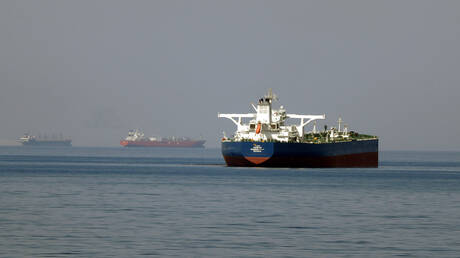
Pakistan's Foreign Minister Ishaq Dar announced on Saturday that Iran has allowed the passage of 20 ships flying the Pakistani flag through the Hormuz Strait. This move is part of efforts to enhance bilateral relations between the two nations and facilitate trade and maritime transport.
This decision is significant in the context of regional tensions, as the Hormuz Strait is one of the most vital maritime passages in the world, through which approximately 20% of global oil passes. Pakistan has shown an increasing interest in strengthening its relations with Iran, especially in light of the economic challenges it faces.
Details of the Event
Ishaq Dar clarified that these ships will be able to pass through the strait without any obstacles, reflecting Iran's desire to enhance cooperation with its neighbors. He also pointed out that this step is part of Pakistan's efforts to expand its maritime trade and strengthen economic ties with neighboring countries.
It is noteworthy that Iran and Pakistan have signed several agreements in recent years to enhance economic and security cooperation, reflecting a positive trend between the two countries. This cooperation is part of Pakistan's strategy to strengthen its presence in regional and international markets.
Background & Context
Historically, relations between Iran and Pakistan have experienced numerous fluctuations; however, recent years have seen a notable improvement in cooperation between the two countries. This improvement comes in light of shared security challenges, such as combating terrorism and smuggling, which have prompted both sides to enhance cooperation in various fields.
Moreover, Iran and Pakistan share a long border, making it essential to strengthen cooperation in trade and transport. Pakistan has shown significant interest in enhancing its relations with Iran as part of its economic strategy.
Impact & Consequences
This step is seen as a boost for Pakistani trade, as it will facilitate the movement of goods between Pakistan and other countries through the Hormuz Strait. Additionally, the passage of Pakistani ships through this strait will enhance Pakistan's ability to access global markets, potentially contributing to the improvement of its economy.
On the other hand, this move may strengthen relations between Iran and other countries in the region, as it will be viewed as a sign of regional cooperation in facing common challenges. Furthermore, this step may pave the way for more collaboration between Pakistan and Iran in the future.
Regional Significance
These developments come at a time when the Arab region is facing multiple challenges, including political and economic tensions. The growing relationship between Pakistan and Iran could impact regional dynamics, especially amid current tensions between Iran and Arab states.
It is crucial for Arab countries to monitor these developments, as they may affect their economic and political strategies. The strengthening of relations between Pakistan and Iran could pose a challenge for some Arab states, particularly those seeking to limit Iranian influence in the region.
In conclusion, this move reflects Pakistan's desire to enhance its relations with its neighbors and facilitate trade through the Hormuz Strait. It also represents an opportunity to strengthen regional cooperation in addressing common challenges.