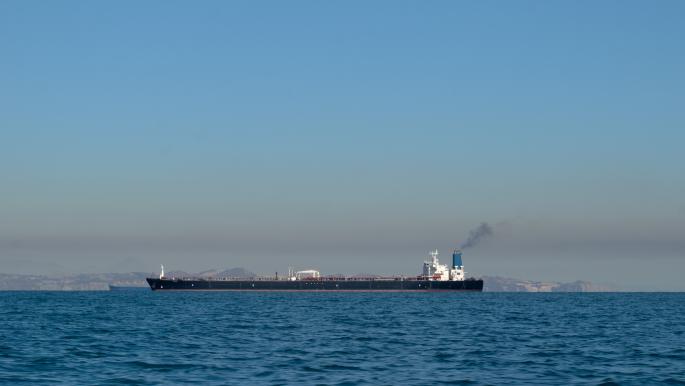
The Iranian Deputy Foreign Minister stated in a press conference that the country is preparing a new law aimed at regulating transit through the Strait of Hormuz. This law is part of an agreement with an Arab country, likely Oman, and reflects Iran's efforts to enhance regional cooperation after a period of tensions.
The Strait of Hormuz is one of the most important waterways in the world, through which approximately 20% of the world's oil passes. Therefore, any changes in the regulation of transit through this strait could significantly impact global oil markets and regional stability.
Details of the Announcement
In his remarks, the Iranian Deputy Minister did not specify the details of the new law, but he confirmed that the goal is to facilitate maritime navigation and ensure security in the region. This move comes after a series of events that have taken place in the strait, including military tensions between Iran and the United States, which have raised concerns about navigation safety.
It is noteworthy that Oman plays a pivotal role in the region, always striving to maintain good relations with all parties. The cooperation between Iran and Oman is expected to contribute to enhancing security and stability in the Strait of Hormuz.
Background & Context
The Strait of Hormuz is a vital crossing point for oil and natural gas, witnessing heavy traffic of commercial vessels. Historically, this strait has been the scene of numerous conflicts and tensions, especially between Iran and Western countries. In recent years, tensions have increased due to sanctions imposed on Iran, affecting navigation in the region.
Oman, for its part, has maintained a policy of neutrality in regional conflicts, making it a reliable mediator between Iran and other countries. This policy may enhance the chances of success for the new agreement between Iran and Oman.
Impact & Consequences
If this new law is implemented, it could lead to improved relations between Iran and its neighbors, enhancing regional stability. It may also help alleviate tensions in the Strait of Hormuz, benefiting the global economy.
On the other hand, this cooperation may raise concerns among some Western countries, which see Iran as a threat to regional security. Therefore, international reactions to this step will be of great interest.
Regional Significance
This step is significant for the Arab countries bordering the Arabian Gulf, as it could lead to enhanced regional cooperation in security and economic fields. Additionally, the stability of the Strait of Hormuz will directly affect oil prices, impacting the economies of oil-producing Arab countries.
In conclusion, it remains to be seen how events will unfold in the coming period and whether this step will indeed contribute to achieving security and stability in the region.