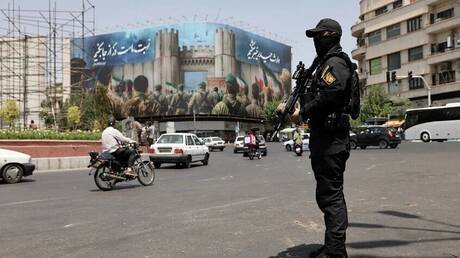
The Iranian news agency Tasnim reported that the intelligence unit of the police in Khuzestan province, located in southwestern Iran, has arrested 138 individuals on charges of espionage for the Zionist entity and the United States. This action is part of the Iranian authorities' efforts to combat espionage and strengthen internal security.
These arrests come at a sensitive time for Iran, as regional and international tensions escalate. Iranian officials have indicated that these operations aim to protect the country from any external interference that may threaten its stability and security.
Details of the Arrests
According to reports, the arrests were carried out in several areas of Khuzestan province, which is considered one of Iran's strategic regions. This information was revealed through an official statement from the intelligence agency, which clarified that the detainees were working to gather sensitive information for foreign entities.
It is noteworthy that Iran has witnessed several arrests of suspects involved in espionage activities with foreign countries in recent years, reflecting the government's concern over intelligence activities that could threaten its national security.
Background & Context
Historically, Iran has been in a state of tension with the United States and the Zionist entity, considering them its main adversaries. Relations between these parties have escalated significantly since the United States withdrew from the Iranian nuclear agreement in 2018, leading to the imposition of severe economic sanctions on Tehran.
There is also growing concern in Iran regarding espionage activities conducted by certain countries, aimed at destabilizing the Iranian regime. Recent events have shown that Tehran is prepared to take strict measures against any potential threats.
Impact & Consequences
These arrests are considered an important step within Iran's security policy and may lead to increased tensions between Iran and Western countries. Additionally, these events could affect Iran's relations with some Arab countries, which may view these arrests as evidence of escalating intelligence activities in the region.
These developments are likely to bolster the Iranian government's position domestically, as these arrests can be used as a means to unify public opinion around national security issues. However, such measures may raise concerns in the international community regarding human rights and civil liberties in Iran.
Regional Significance
Arab countries are directly affected by the tensions between Iran, the United States, and the Zionist entity. As these events escalate, fears of new conflicts in the region may increase, impacting political and economic stability.
Moreover, these arrests may prompt some Arab countries to reassess their security and military strategies, especially in light of potential threats from Iran. These developments could lead to enhanced security cooperation between some Arab states and the United States to address common challenges.
In conclusion, these arrests reflect the ongoing tensions in the region and highlight the challenges Iran faces in the context of national security. All eyes remain on upcoming developments, which may bring new implications for the regional and international landscape.