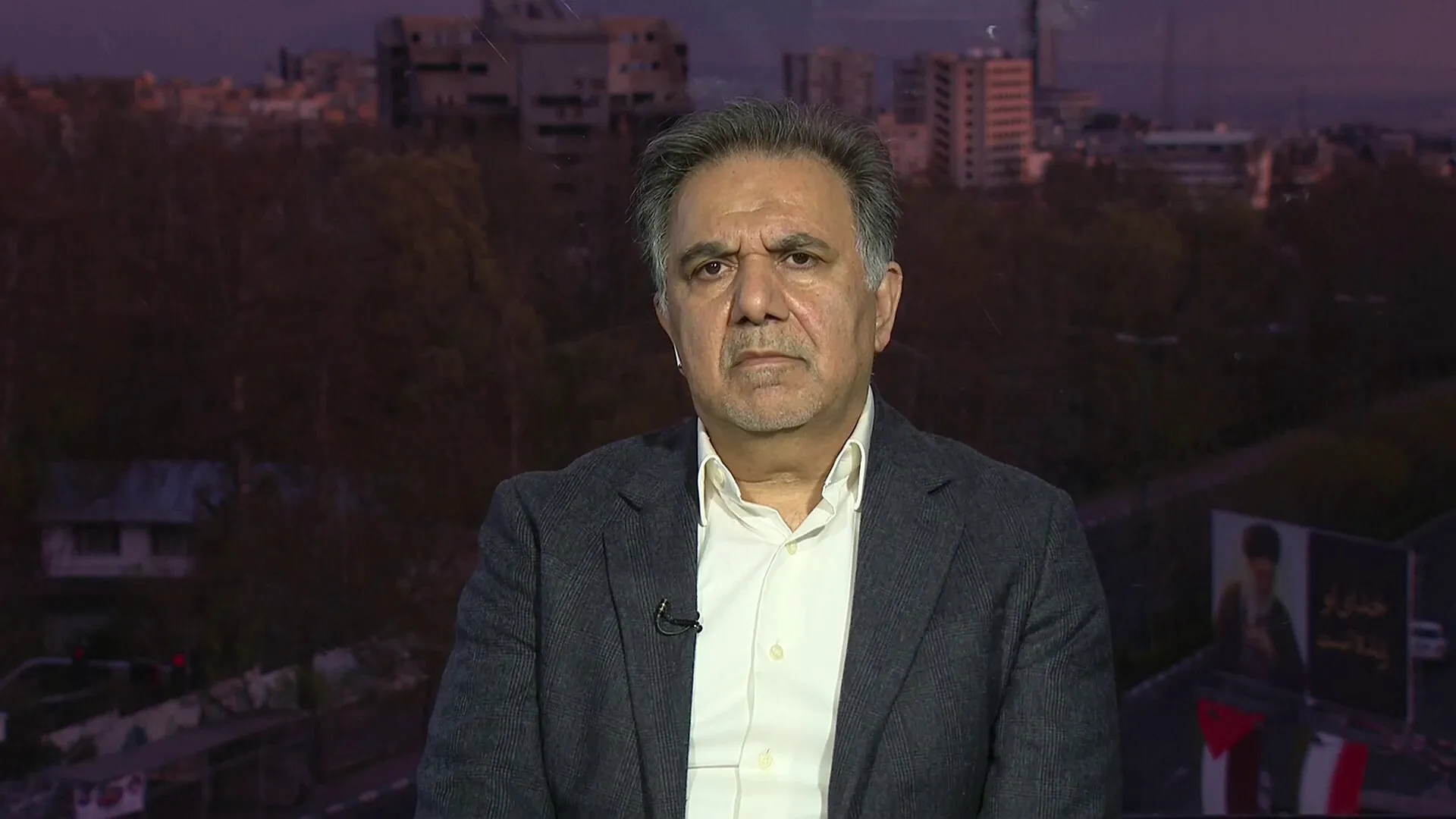
Former Iranian Minister of Roads and Urban Development, Abbas Akhoundi, asserted that Iran possesses a high capability to withstand increasing military pressures from the United States and Israel. He emphasized that "an ancient civilization cannot be eradicated by weapons," referring to the escalating threats facing his country.
In an interview with Al Jazeera Mubasher, Akhoundi pointed out that "the Iranian people will not simply surrender and will continue to resist," adding that "our capacity for resistance is much greater than what the United States and Israel believe." This assertion reflects the robustness of the Iranian internal front in facing challenges.
Details of the Event
Akhoundi accused the United States and Israel of targeting infrastructure in Iran, indicating that such actions violate international laws. He explained that Iran has road networks that can be compensated for, which diminishes the long-term impact of these attacks. He also confirmed that assessing the damages caused by these attacks will take time, and relevant authorities will work to document them comprehensively.
Regarding the tensions in the Strait of Hormuz, the former Iranian minister stated that his country "is not the cause of the current situation," adding that those who initiated the war bear the responsibility for what is happening. Akhoundi affirmed that Iran did not start this war, considering that it "is the one that will ultimately prevail."
Background & Context
Since February 28, Israel and the United States have been waging a war against Iran, resulting in thousands of casualties, including the assassination of prominent political and military leaders, among them former Supreme Leader Ali Khamenei, and the Ministers of Defense and Intelligence, as well as the Commander of the Revolutionary Guard. In response, Tehran has retaliated by launching missiles and drones towards Israel, as well as targeting what it claims are American interests in the region.
Tensions in the region are escalating, as Iran seeks to bolster its defensive capabilities amid ongoing threats. The Iranian nuclear program is one of the most significant issues raising concerns in international relations, with Israel accusing Tehran of seeking to acquire nuclear weapons, a claim that Iran denies, asserting the peaceful nature of its program.
Impact & Consequences
Akhoundi's statements underscore that Iran will not back down from its position, which could lead to further escalation in the ongoing conflict. These remarks also reflect the challenges Tehran faces in its attempts to strengthen its regional and international stance.
Under these circumstances, developments in Iran may affect relations between Arab states and Israel, as fears grow over the escalation of military tensions in the region. Furthermore, the continuation of the conflict could have economic and social repercussions on neighboring countries.
Regional Significance
The developments in Iran are of great importance to Arab states, as any escalation could impact security and stability in the region. Additionally, tensions between Iran and Israel may lead to new divisions in regional alliances.
Ultimately, the situation in Iran remains a focal point for the world, as concerns grow over the implications of the conflict on regional and international security. It appears that Iran is determined to confront challenges, which could complicate the situation further in the region.