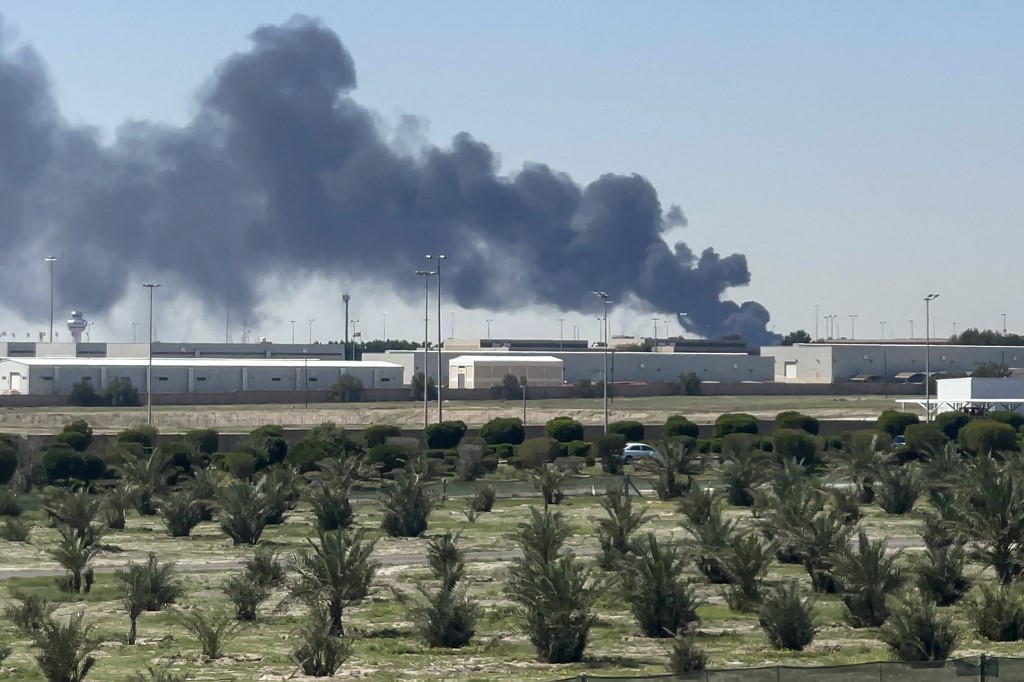
Iranian armed forces have commenced search operations for the pilot of the US F-35 fighter jet that was shot down today, according to Fars News Agency. The fighter jet, reportedly launched from a British base in Suffolk, is the second of its kind to be downed by Iran since the onset of the conflict.
This incident comes at a sensitive time as tensions between Iran and the United States escalate, with the jet believed to have been conducting reconnaissance missions in the region. Local Iranian media have announced a reward for anyone who can capture the pilot alive, reflecting the significance of this event for Tehran.
Details of the Incident
According to reports, Iranian forces shot down the F-35 fighter jet early this morning, with the Iranian Revolutionary Guard confirming that the jet was on a mission launched from a British base. This incident is considered a significant development in the ongoing conflict, showcasing Iran's ability to counter advanced aircraft.
It is noteworthy that this is not the first time Iran has downed American aircraft, having previously shot down another F-35 earlier in the conflict, complicating the military situation in the region further.
Background & Context
The roots of the conflict between Iran and the United States extend back decades, characterized by political and military tensions. Recent years have seen a surge in hostilities, particularly following the US withdrawal from the Iranian nuclear agreement in 2018, which significantly heightened tensions and led to a series of military incidents.
The F-35 fighter jets are among the most advanced in the world, utilized by many Western nations in their military operations. The downing of this aircraft underscores the challenges faced by US forces in the region and raises concerns about regional security.
Impact & Consequences
This incident could have significant repercussions for relations between Iran and the United States, potentially leading to military or diplomatic escalation. The announcement of a reward for capturing the pilot reflects Iran's intention to leverage this incident to strengthen its position in future negotiations.
Furthermore, these developments may increase tensions between Iran and European countries, particularly those with military bases in the region. It is crucial to monitor international reactions to this incident, as diplomatic intervention may be necessary to prevent further escalation.
Regional Significance
The ongoing events in Iran have a direct impact on security and stability in the Arab region. The tensions between Iran and the United States could affect neighboring countries, especially those with ties to Washington. Additionally, the escalation of hostilities may lead to increased sectarian tensions in the region.
In this context, Arab nations must exercise caution in dealing with these developments, as any escalation could impact regional security and complicate situations in conflict areas.