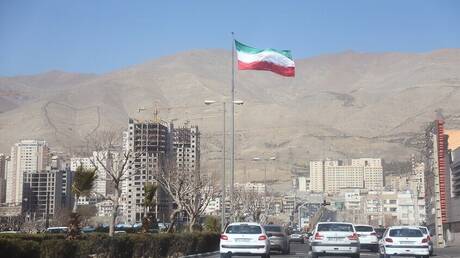
Iran's Foreign Ministry spokesperson, Ismail Baqaei, has placed the responsibility for the escalating tensions in the region squarely on the United States, stating that "any action by the Israeli entity cannot occur without coordination with Washington." These statements come at a time when the region is witnessing increasing tensions, raising alarms among neighboring nations.
These remarks underscore the role the United States plays in regional conflicts, as Iranian officials believe that U.S. support for Israel bolsters its position against Iran and other countries in the area. This dynamic has led to heightened tensions, threatening regional stability.
Details of the Incident
In a related context, Baqaei confirmed that Iran is closely monitoring Israeli military activities, indicating that any military move by Israel would have serious repercussions. He noted that Iran is prepared to respond to any threats, further escalating tensions in the region.
These statements follow a series of military maneuvers recently conducted by Israel, which Iran has deemed provocative. Additionally, Israeli military movements in border areas have heightened fears of a new conflict erupting in the region.
Background & Context
Historically, relations between Iran and the United States have been strained since the Islamic Revolution in 1979. These relations have escalated in recent years, particularly after the U.S. withdrawal from the Iranian nuclear agreement in 2018. This withdrawal led to the reimposition of U.S. sanctions on Iran, adversely affecting the Iranian economy and increasing regional tensions.
Moreover, U.S. support for Israel in its conflict with the Palestinians strengthens its position in the region, making it difficult for Iran and other countries to reach peaceful solutions. This situation creates a complex environment that necessitates effective diplomacy to avoid military escalation.
Impact & Consequences
The Iranian statements suggest that any military escalation could lead to unpredictable reactions, increasing the risk of a widespread conflict. This situation may also affect relations between Arab states and Iran, as some Arab countries adopt varying stances towards Iran and Israel.
If tensions continue, they could have economic and political repercussions at the regional level, potentially affecting oil prices and regional trade. Additionally, any escalation could lead to an influx of refugees and increased social tensions in neighboring countries.
Regional Significance
The tensions between Iran, the United States, and Israel are a sensitive issue for Arab countries, which are directly affected by regional conflicts. Many Arab nations adopt balanced policies in dealing with Iran, complicating the situation further.
Under these circumstances, Arab countries need to enhance cooperation among themselves to face security and economic challenges. There is also an urgent need for effective diplomacy to avoid military escalation and achieve stability in the region.
In conclusion, the situation in the region remains complex, with overlapping regional and international interests. Continuous diplomatic efforts are required to prevent escalation and achieve peace.