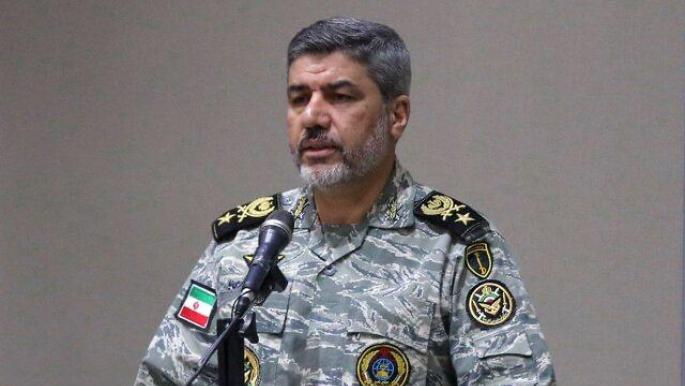
In a striking statement, Brigadier General Amir Akrami Nia, the spokesperson for the Iranian army, confirmed today that Iran does not view the war as concluded. He noted that Iran has updated its target bank and military equipment, reflecting its readiness to confront any potential escalation in the region.
These remarks come at a time when the region is experiencing increasing tensions, as Iran seeks to bolster its military capabilities in light of challenges posed by Western nations and some neighboring countries. This Iranian maneuver indicates a desire to maintain its influence in the Strait of Hormuz, a vital artery for global maritime traffic.
Details of the Announcement
General Akrami Nia clarified that the update to the target bank means Iran has prepared a new list of potential targets that could be struck in the event of any conflict. This step is part of Iran's strategy to enhance its defensive and offensive capabilities, complicating the security situation in the region.
He also emphasized that the Strait of Hormuz will remain under Iranian control, underscoring the importance of this waterway to Tehran. Approximately 20% of the world's oil passes through this strait, making it a strategic point in regional and international conflicts.
Background & Context
Historically, the Strait of Hormuz has witnessed numerous conflicts and tensions, with Iran consistently playing a pivotal role in securing its interests. Since 2019, tensions between Iran and the United States have escalated, leading to increased military preparations on both sides. In this context, General Akrami Nia's statements are part of Iran's strategy to respond to external pressures.
Recent events, such as attacks on oil tankers, have heightened tensions in the region, prompting Iran to reinforce its military presence in the Strait of Hormuz. This situation reflects the ongoing struggle for influence in the area among major powers.
Impact & Consequences
The Iranian army's statements indicate that the situation in the region may trend towards further escalation, which could affect oil prices and maritime traffic. Any military escalation in the Strait of Hormuz could lead to a significant rise in oil prices, impacting the global economy.
Furthermore, the continuation of tensions may compel major powers to reassess their strategies in the region, potentially leading to shifts in political and military alliances. This could also have repercussions for regional security, as other countries may seek to enhance their military capabilities in response to potential threats.
Regional Significance
For Arab countries, the ongoing tensions in the Strait of Hormuz represent a significant challenge. Many Arab nations rely on oil that passes through this strait, and any escalation could adversely affect their economies. Additionally, the tense security situation could lead to an influx of refugees and increased internal tensions in some countries.
Moreover, developments in Iran may impact relations between Arab states and Iran, as some countries might seek to strengthen their alliances with Western powers to counter Iranian threats. This could lead to further divisions in the region.
In conclusion, General Akrami Nia's statements reflect the ongoing challenges faced by Iran in the context of regional and international conflicts. As tensions persist, the future of the region remains uncertain, necessitating proactive measures from Arab nations to ensure their security and stability.